☰

🛕 Lord Vishnu | 📍 Thiruthangal, near Sivakasi, Virudhunagar, Tamil Nadu
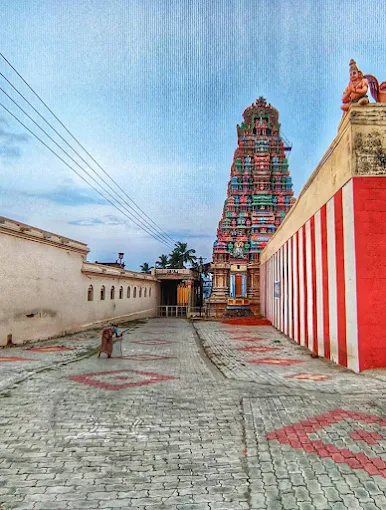
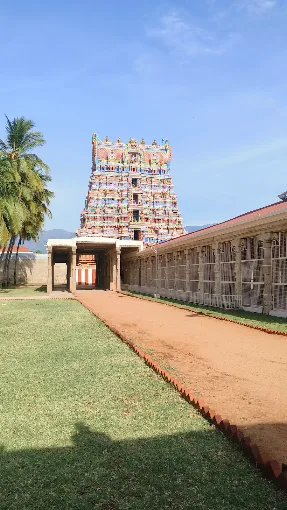
Thiruthangal Sri Nindra Narayana Perumal Temple is one of the revered 108 Divya Desams, praised in the sacred Nalayira Divya Prabandham hymns composed by early medieval Vaishnavite poet-saints Bhoothathalwar and Thirumangai Alwar. Located on a granite hillock known as Thangala Malai (or Thalagiri), the temple possesses several rare iconographic and spiritual distinctions. The presiding deity, Sri Nindra Narayana Perumal, is represented in a majestic standing posture (Nindra Kolam) facing east under the Deva Chandra Vimanam. Uniquely, the inner sanctum sanctorum (garbhagriha) houses an extraordinary assembly of 11 consecrated forms, including Deiveeka Vasudevan, Sridevi, Bhoomadevi, Neeladevi, Jambavathi, Aniruddha, Usha, Arunan (the charioteer of the Sun God), Garuda, and the revered sages Bhrigu and Markandeya. It is widely celebrated as the only Divya Desam sanctum featuring an idol of Jambavathi. Another exceptional feature is the temple's Garudalwar, who is depicted with four arms: two folded in humble adoration (Anjali mudra), while the remaining two hold the Amrita Kalasam (pot of divine nectar) and the serpent Vasuki. Unlike most Vaishnavite shrines where the divine mother is portrayed in a seated posture, the consort, Goddess Sengamala Thayar (also venerated as Arunakamala Mahadevi or Annanayaki), is enshrined in an independent sanctum in a rare standing posture. In addition, a lower rock-cut tier enshrines Lord Ranganatha in a reclining posture (Sayana Kolam), allowing pilgrims to witness the standing, reclining, and seated divine forms within a unified complex.
Historically, the Thiruthangal temple complex represents an important transition in early medieval South Indian temple architecture, originating as an early rock-cut cave monument during the Early Pandya period. Epigraphical evidence documented by the Archaeological Survey of India reveals three ancient inscriptions in its cave structures, two of which belong to the 8th century AD during the reign of the Pandya monarch Maravarman Rajasimha / Sadaiyan Maran. The inscriptions document royal endowments, land grants for daily offerings, and ancient irrigation support linked to local water management systems. The present structural expansions atop the granite outcrop are historically attributed to the Pandya ruler Devendra Vallabha, followed by extensive construction phases and architectural enhancements executed under the imperial Vijayanagara dynasty and the Madurai Nayak rulers between the 14th and 17th centuries. Distinctively, the temple does not feature a soaring Rajagopuram at its entrance; instead, a flight of stone steps leads directly up the granite hillock to the tiered shrine compounds. Adjacent on the same hillock sits the historic Sri Karunellinathar Shiva Temple, reflecting religious harmony in the region. In religious and traditional lore, the name 'Thiruthangal' stems from Goddess Lakshmi's stay ('Thangal') on the hillock to perform penance. Another tradition narrates that Lord Ranganatha of Srirangam halted here overnight during his divine journey to Srivilliputhur to wed Andal. Devotional tradition also commemorates this sacred geography as the celestial wedding site of Sri Krishna's grandson Aniruddha with Usha, the daughter of Banasura.
Devotees traditionally worship the uniquely four-armed Garudalwar, holding the serpent king Vasuki amicably in his hand, believing it brings relief from snake-related planetary afflictions (Naga Doshas) and internal anxieties.
Based on the temple tradition recounting the auspicious wedding of Sri Krishna's grandson Aniruddha to Usha, pilgrims pray at the sanctum to seek suitable life partners and resolve marital discord.
The presence of the sacred Papavinasa Theertham and historical legends concerning royal repentance associate the shrine with prayers for purification from grave sins and ancient karmic curses.
Worshiping Goddess Sengamala Thayar in her standing penance form is believed by devotees to attract the uninterrupted benevolence of Mahalakshmi, fostering prosperity, wealth, and household harmony.
Ceremonial holy bath performed for the festival processional deities (Utsava Murthis) and Alwars with milk, curd, honey, and herbal waters on designated asterisms and special festive occasions.
Grand ceremonial procession where Utsavar Thiruthangal Appan is mounted atop the divine vehicle Garuda; notably observed during Brahmotsavam and the grand Ani/Adi festival link with Srivilliputhur.
Individual devotee-sponsored ritual involving chanting the thousand divine names of Lord Vishnu with tulasi leaves and floral offerings at the main sanctum.
Annual flagship Brahmotsavam festival culminating in the drawing of the temple chariot (Therottam) through the streets of Thiruthangal with extensive community participation.
No festivals available.
📍 19.92 km away
📍 42.86 km away

📍 52.67 km away

📍 58.41 km away
📍 59.24 km away

📍 60.33 km away
Stays near Thiruthangal Nindra Narayana Perumal Temple

📍 Near Kurinji Andavar Temple · 91.4 km
stayStarting from ₹2,000 / night
Discover more temples you may be interested in
You may also like these temples