☰
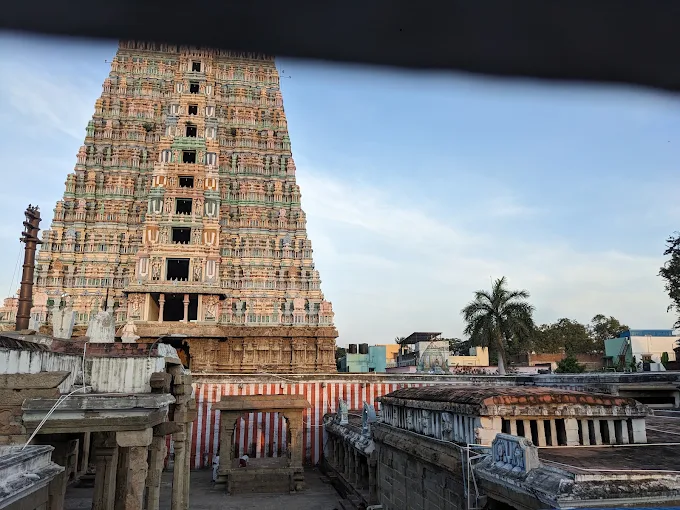
🛕 Lord Vishnu | 📍 Srivilliputhur, Mayiladuthurai, Tamil Nadu
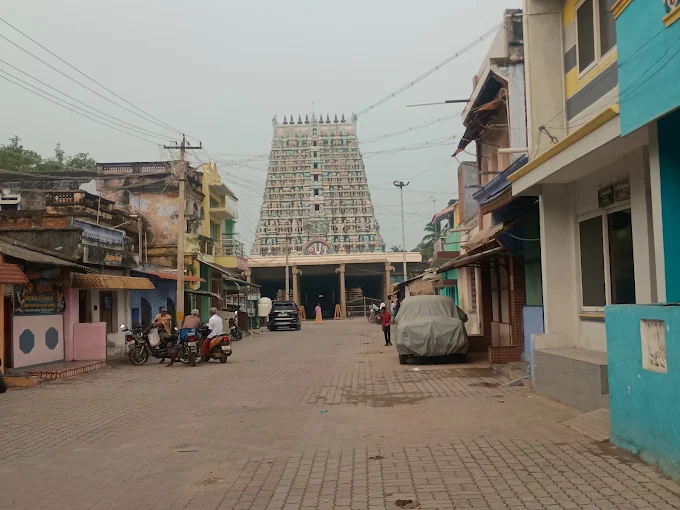
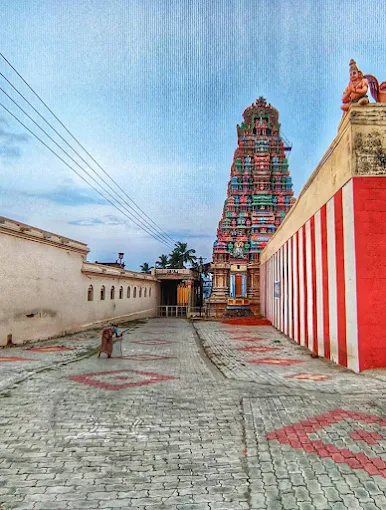
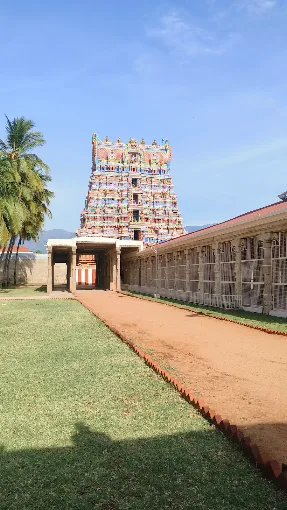
Srivilliputhur Arulmigu Vatapatrasayi Perumal and Andal Temple is one of the revered 108 Divya Desams of Sri Vaishnavism, celebrated as the sacred home of two prominent Alvars: Periyalvar (Vishnuchittan) and his foster daughter Andal (Kodai), the solitary female Alvar poetess-saint. The architectural hallmark of the complex is its monumental eleven-tiered eastern Rajagopuram, rising approximately 192 feet, which serves as the official emblem of the Government of Tamil Nadu. The sacred complex comprises two primary interconnected temples: the northern sanctum dedicated to Sri Vatapatrasayi Perumal (Lord Vishnu resting in yogic slumber on a banyan leaf during cosmic dissolution) and the southwestern sanctum dedicated to Sri Andal alongside Sri Rangamannar and Garuda. In Hindu tradition, it is the sacred birthplace of 'Tiruppavai' and 'Nachiyar Tirumozhi', cornerstone hymns recited daily throughout Tamil Vaishnava tradition, especially during the sacred month of Margazhi. The temple is also globally distinguished for its unique floral tradition where flower garlands are first offered to Andal before being carried in solemn reverence to crown Sri Vatapatrasayi Perumal and sent annually to Tirupati Venkateswara during Brahmotsavam and Srirangam during Chithirai, commemorating Andal's title 'Soodikodutha Sudarkodi'.
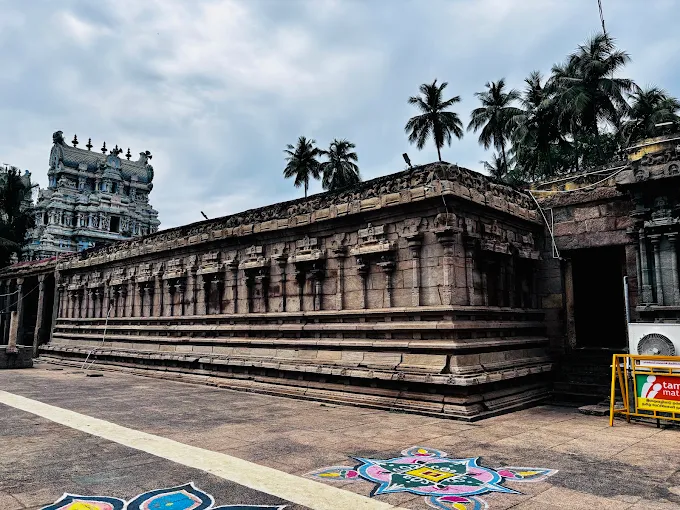
Historical evolution of the temple complex reveals continuous patronage under the Pandya, Chola, and Vijayanagara Nayak dynasties, bridging recorded epigraphy and enduring regional legends. According to temple tradition documented in the Varaha Purana and Brahmakaivarta Purana, the region was originally a dense forest named Senbagaranyam, ruled by a chieftain queen named Malli. Her son Villi established the town under divine direction after receiving a vision of Lord Vishnu, earning it the name 'Villiputhur', subsequently prefixed with 'Sri' following the advent of Andal. While traditional literature dates Periyalvar and Andal between the 8th and 9th centuries CE, the earliest surviving stone epigraphs at the complex date to the 10th century CE during the Chola era. Epigraphical records written in Tamil and Vatteluttu scripts chronicle extensive additions and land grants by medieval Pandya monarchs, specifically Maravarman Sundara Pandya and Kulasekara Pandya, who contributed toward the shrines and boundary walls. The towering Rajagopuram, traditionally initiated under the patronage of Periyalvar and King Vallabhadeva, received structural renovations and stone enhancements under Vijayanagara and Nayak rulers. During the 17th century, King Thirumalai Nayak of Madurai (1623–1659 CE) and Queen Mangammal (1689–1706 CE) undertook massive developments, constructing the carved pillared mandapams, mirror chambers, vimanam gold works, and the scenic temple tanks. Administration changed hands during the British period following supervision under the Travancore royal house until 1850, and the shrine is currently preserved and governed by the Hindu Religious and Charitable Endowments (HR&CE) Department of the Government of Tamil Nadu.
Devotees traditionally believe that praying to Sri Andal and reciting the thirty verses of Tiruppavai relieves hurdles in marriage alliances and grants blissful wedded life, following the divine bridal bond between Andal and Sri Ranganatha.
Childless couples regularly undertake sankalpa prayers and present floral offerings at the sacred Nandavanam where Periyalvar found Sri Andal, praying for the blessing of virtuous children.
As the sacred birthplace of sublime Tamil verse composed by Andal and Periyalvar, seeking darshan here is believed to bestow clarity of speech, poetic eloquence, and intellectual brilliance upon students.
The sacred herbal oil used for the periodic thirumanjanam of the presiding reclining deity Sri Vatapatrasayi, prepared using multi-herb essences, is believed by devotees to alleviate physical distress and chronic health issues.
Worshipping Lord Vatapatrasayi resting upon the banyan leaf in yogic yoga nidra is believed in Srivaishnava theology to sever the cycle of severe karmic debts and guide the soul toward salvation.
A traditional mock-wedding ritual honoring Sri Andal and Sri Rangamannar, performed on behalf of unmarried devotees seeking matrimonial blessings.
Elaborate holy bathing of the utsavar deities with milk, tender coconut water, honey, sandal paste, and sanctified herbal waters on designated asterisms.
Traditional preparation and special offering of rich brown rice pudding cooked in pure jaggery and ghee, consecrated to the presiding deities.
Individualized name and birth-star chanting of Ashtothra Shatanamavali before the sanctum of Andal and Sri Vatapatrasayi Perumal.
Devotional darshan inside the historic hall of mirrors where divine procession idols are viewed in multifaceted reflections.
No festivals available.

📍 19.92 km away
📍 62.24 km away
📍 62.67 km away

📍 63.43 km away

📍 66.75 km away

📍 69.42 km away
Stays near Srivilliputhur Vatapatrasayi Perumal Temple

📍 Near Kurinji Andavar Temple · 82.7 km
stayStarting from ₹2,000 / night
Discover more temples you may be interested in
You may also like these temples