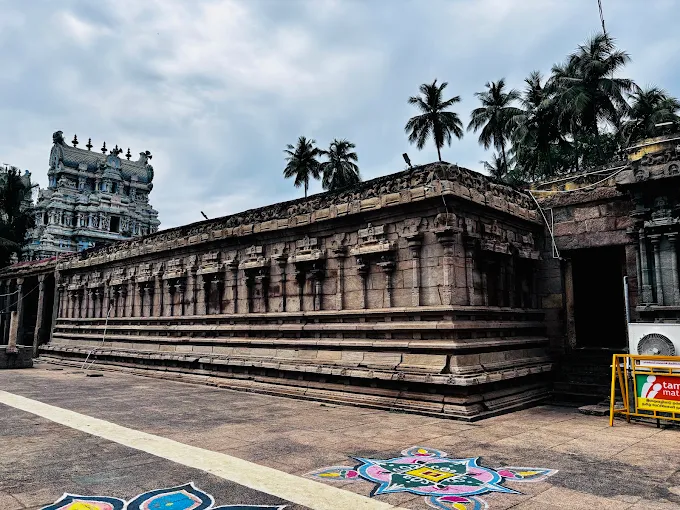
☰
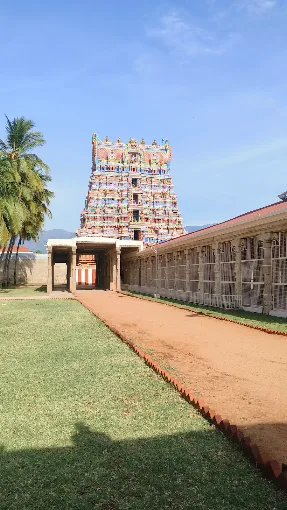
🛕 Lord Vishnu | 📍 Thirukkurungudi, Tirunelveli, Tamil Nadu
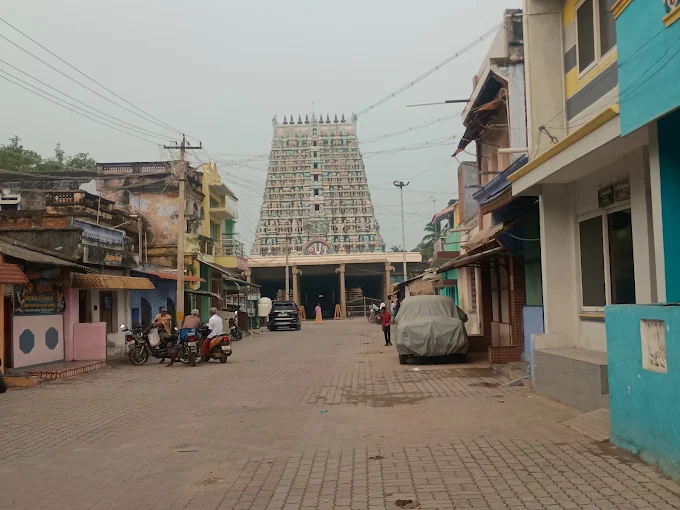
Thirukkurungudi Azhagiya Nambi Rayar Temple, also known as the Vaishnava Nambi Temple, is one of the 108 Divya Desams celebrated in Sri Vaishnavism, glorified by four prominent Alvar saints: Periyazhwar, Thirumazhisai Azhwar, Thirumangai Azhwar, and Nammazhwar in forty sacred hymns of the Nalayira Divya Prabandham. The temple is revered as Dakshina Badri and Dakshina Vaikuntam. A remarkable feature of this kshetram is the manifestation of Lord Vishnu in five distinct divine forms (Pancha Nambi): Ninra Nambi (standing), Irundha Nambi (seated as Vaikuntanathan), and Kidandha Nambi (reclining as Vadivazhagiya Nambi) within the main temple complex; Thiruparkadal Nambi on the banks of the sacred Nambiyaru river; and Thirumalai Nambi situated atop the adjacent Mahendragiri hill. In devotional lore, the temple is classified as a Vamana Kshetram, deriving its name 'Kurungudi' (the abode of shrinking) from the legend that Lord Varaha, after vanquishing the demon Hiranyaksha and rescuing Mother Earth (Bhudevi), rested here and condensed His immense, awe-inspiring form into a tranquil miniature presence. According to Vaishnava hagiography, it was here that Acharya Ramanuja imparted the sacred Ashtakshara Mahamantra to Lord Nambi Himself, who sat humbly in the posture of an earnest disciple, earning the presiding deity the title 'Vaishnava Nambi' or 'Ramanuja Nambi'. The temple is also the sacred site where the last Alvar, Thirumangai Azhwar, spent his final days in service and attained Moksha. Uniquely for a prominent Vaishnavite sanctuary, the prakaram encompasses a sub-shrine for Lord Shiva (Mahendragirinathar) and Kalabhairavar, reflecting historical sectarian synthesis. Furthermore, the shrine is internationally famed for the annual enactment of the Kaisika Natakam, a classical temple dance-drama performed on Kaisika Ekadashi night celebrating the unflinching devotion and truthfulness of the singer Nambaduvan.
The recorded architectural history of the Azhagiya Nambi Rayar Temple spans over a millennium, corroborated by epigraphical and archaeological records. Inscriptions in Tamil and Grantha scripts dating back to the medieval Pandya and Chola periods attest to ancient royal patronage. A 10th-century inscription from the reign of the medieval Cholas documents royal land and sheep endowments to ensure the perpetual maintenance of temple lamps and food offerings. In the 14th century, the Later Pandya monarch Maravarman Sundara Pandya II gifted twenty-five dairy cows to supply pure ghee for the inner sanctum lamps. During the 16th and 17th centuries, the temple witnessed massive expansions under the Vijayanagara Empire and the Nayaks of Madurai, who added grand hypostyle halls, fortified stone perimeter walls enclosing an expanse of nearly 18 acres, and the towering five-tiered Rajagopuram. The Chitra Gopuram is renowned for its stone craft, featuring intricately carved yalis with freely rolling stone balls inside their mouths, multi-layered friezes illustrating scenes from the Ramayana, Mahabharata, and Bhagavata Purana, as well as period carvings depicting oceanic trade and equestrian guards. For centuries, the institutional custody and spiritual traditions of the temple have been maintained in close conjunction with the Thirukkurungudi Sri Ramanuja Jeeyar Mutt. In modern times, the temple underwent extensive scientific restoration spearheaded by the TVS family trust (Srinivasan Services Trust) and the Jeeyar Mutt under the supervision of archaeological experts, leading to a grand Maha Samprokshanam that conserved the delicate 17th-century murals, stone sculptures, and historic wooden structures without altering their original Dravidian architectural integrity.
According to Sri Vaishnava belief, worshipping Lord Azhagiya Nambi at the sacred site where saint Thirumangai Azhwar attained Paramapadam is traditionally held to free the soul from karmic cycles and grant divine grace.
Devotees traditionally believe that listening to or reading the Kaisika Puranam here, based on the redemption of the cursed Brahma Rakshasa by Nambaduvan, absolves sins and releases devotees from longstanding ancestral afflictions.
Because the Supreme Lord assumed the posture of a humble student to listen to divine teachings from Sri Ramanuja, spiritual seekers pray here for scholarly wisdom, mental clarity, and proper mentorship.
Bathing in the holy Nambiyaru river and lighting ghee lamps for Lord Sundaraparipurnan are traditionally observed by devotees seeking recovery from chronic illnesses and physical vitality.
Worshipping Goddess Kurungudivalli Nachiyar alongside Lord Nambi is traditionally believed to foster peace, resolve domestic discord, and bless seekers with harmonious married lives.
Individual ritual offering involving the chanting of the deity's sacred names with the presentation of tulasi leaves and flowers.
Traditional lamp lighting service performed with sesame oil or ghee packets to ward off malefic planetary effects.
An ancient temple dance-drama enacted on the night of Kaisika Ekadashi depicting the puranic legend of Nambaduvan and Lord Nambi.
Sacred ritual bathing performed for the utsavar deities using holy waters, milk, curd, honey, and herbal pastes on designated auspicious calendar days.
No festivals available.
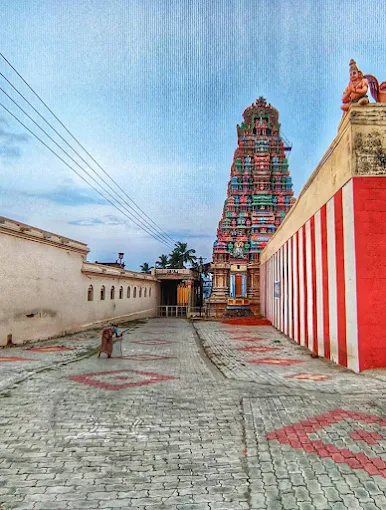
📍 11.81 km away
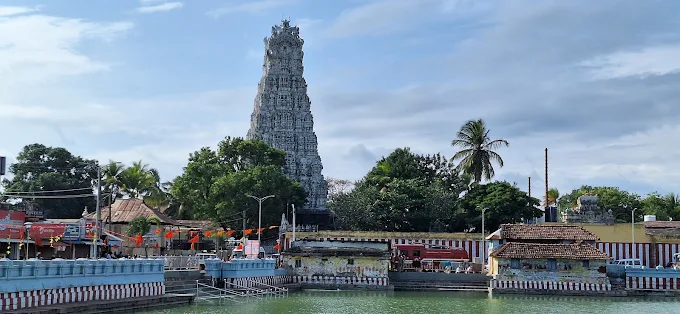
📍 33.02 km away

📍 39.70 km away
📍 43.62 km away

📍 45.31 km away

📍 46.28 km away
Stays near Thirukkurungudi Azhagiya Nambi Rayar Temple

📍 Near Kurinji Andavar Temple · 200.7 km
stayStarting from ₹2,000 / night
Discover more temples you may be interested in
You may also like these temples