☰
🛕 Lord Vishnu | 📍 Thirumogur, Madurai, Tamil Nadu
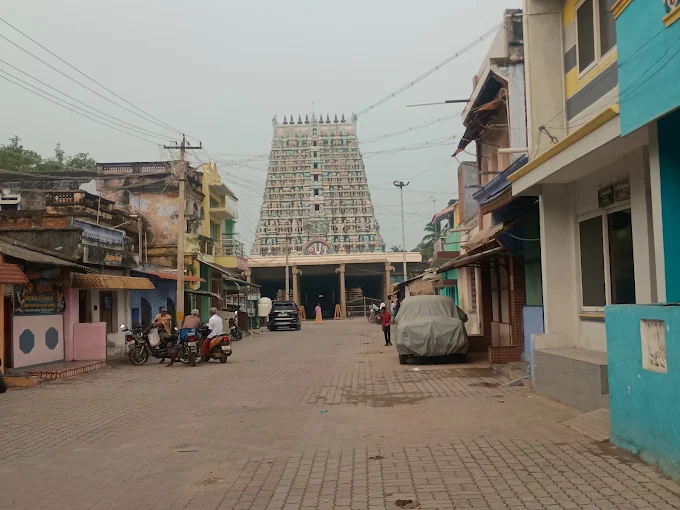
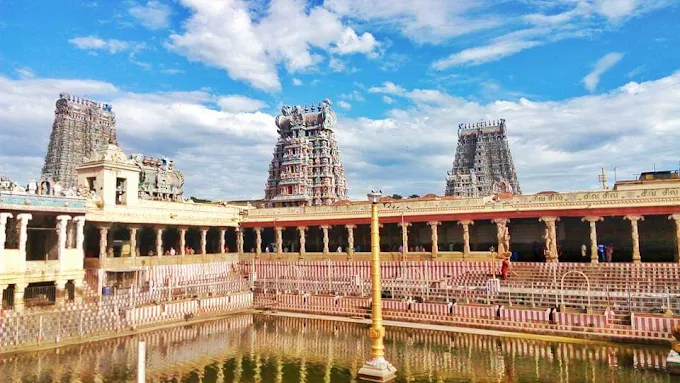
Thirumogur (Thirumohoor) Sri Kalamega Perumal Temple is an ancient Vaishnavite shrine located near Madurai in Tamil Nadu, celebrated as one of the 108 Divya Desams revered in the Nalayira Divya Prabandham. The temple received sacred mangalasasanam hymns from Nammalwar (11 pasurams in the Thiruvaimozhi) and Thirumangai Alwar. In religious tradition, the principal deity is Kalamega Perumal ('one who resembles dark rain-bearing clouds'), symbolising boundless benevolence that bestows grace upon seekers just as rainclouds shower life-giving water without expecting anything in return. He stands in 'Panchayudha Kolam' facing east alongside his consort, Sri Mohanavalli Thayar. The utsava deity is lovingly called 'Marga Bandhu' (or Aaptan), signifying the divine protector who guides departed souls and pilgrims through life's trials toward Vaikunta, a role highlighted by the tradition where the Lord personally escorted Saint Nammalwar toward spiritual salvation. The temple is especially renowned across South India for its standalone Chakrathazhwar (Sudarsana) shrine. Unlike conventional depictions, the icon here possesses 16 hands holding 16 distinct weapons, seated in dynamic motion on a disc inscribed with 154 esoteric Beejakshara mantra characters, with Sri Yoga Narasimha carved on the reverse side. The sacred temple tank, Ksheerabtha Pushkarini, is traditionally linked to the primordial cosmic milk ocean.
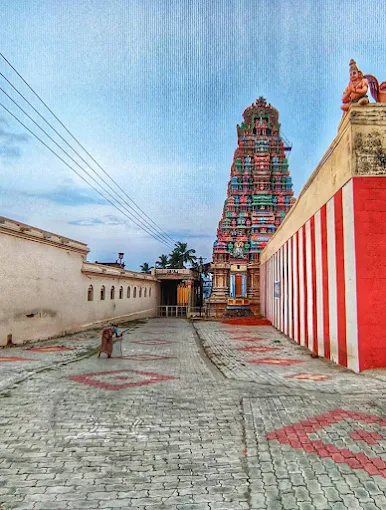
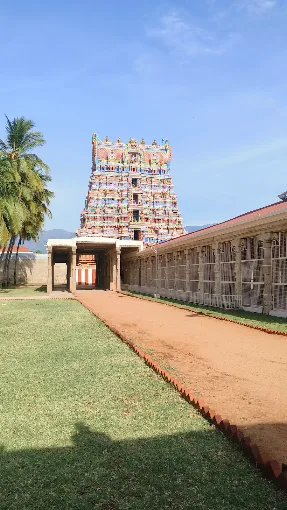
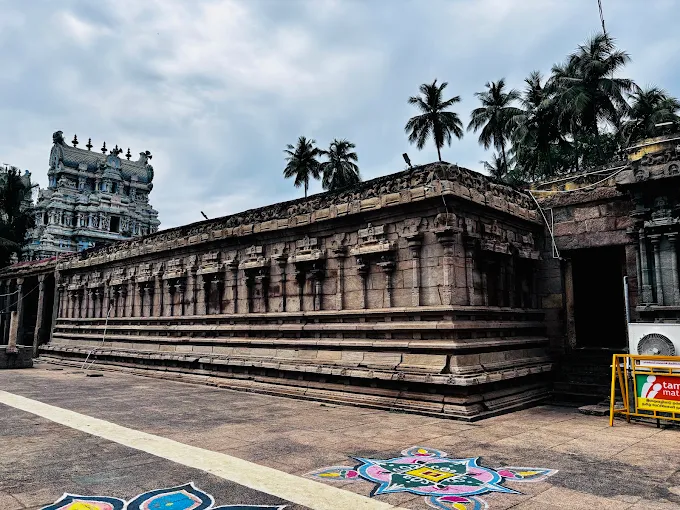
Thirumogur holds deep historical antiquity spanning more than two millennia. References to 'Mohur' are documented in Sangam Tamil literature, including the Akananuru, Pathitrupathu, and Maduraikkanchi, where it is celebrated as the ancient fortified capital of the chieftains known as Palayan Maran. Classical allusions in the ancient epic Silappatikaram also mention this settlement, and Greek geographer Ptolemy made geographical references in the 2nd century CE that scholars connect with this commercial node of the ancient Pandya kingdom. Epigraphical records discovered on the temple's stone walls, such as those catalogued by the Archaeological Survey of India (e.g., Annual Report on Indian Epigraphy No. 330 of 1918), document substantial historical endowments, renovations, and grants across centuries. The core structural stone foundations were laid and expanded during the Early and Later Pandya dynasties, particularly during the rule of 13th-century Pandyan monarch Maravarman Kulasekara Pandyan and King Jatavarman Sundara Pandyan. Further major architectural developments—including the imposing 2.5-acre complex boundary walls, multi-pillared mandapams, delicate stone yali pillars, and the majestic five-tiered eastern Rajagopuram—were constructed during the 16th and 17th centuries under the patronage of the Madurai Nayak rulers. Later regional rulers, notably the Marudu Pandiyar brothers of Sivagangai, also contributed to the preservation and repairs of temple structures before it transitioned to modern institutional governance under the Hindu Religious and Charitable Endowments (HR&CE) Department of the Government of Tamil Nadu.
Devotees traditionally worship the sixteen-armed Chakrathazhwar with curd ablutions and ghee lamps in the devotional belief that it dissolves chronic hindrances, negative energies, and legal disputes.
The utsava deity is venerated as Marga Bandhu (the eternal friend on the journey), traditionally sought by pilgrims to find moral clarity, life direction, and divine guardianship during arduous periods.
It is a longstanding local practice for professionals and traders to circumambulate the Sudarsana sanctum seeking progress in new business enterprises, career elevation, and alleviation of debt.
Pilgrims frequently make offerings at the shrine of Sri Mohanavalli Thayar and Lord Kalamega Perumal in prayerful expectation of resolving marriage delays and fostering marital harmony.
In accordance with Sri Vaishnava sampradaya, Lord Kalamega Perumal guided Saint Nammalwar to Vaikunta, instilling faith that sincere surrender at this holy site guides the jivatma toward liberation from the cycle of rebirth.
Official ritual chanting of the 108 holy names of Kalamega Perumal or Chakrathazhwar on behalf of the devotee.
Traditional devotional prayer offering where curd abhishekam is performed for the 16-armed Chakrathazhwar to seek removal of persistent obstacles and enemies.
Devotees light oil/ghee lamps and complete 12 or 48 pradakshinas (circumambulations) around the Narasimha-Sudarsana sanctum for fulfilling vows.
Special consecration and blessing ceremony performed by temple priests for newly purchased vehicles seeking safe travels and protection.
No festivals available.

📍 9.52 km away
📍 10.22 km away

📍 11.02 km away

📍 13.79 km away
📍 16.05 km away

📍 16.82 km away
Stays near Thirumogur Kalamega Perumal Temple

📍 Near Kurinji Andavar Temple · 84.9 km
stayStarting from ₹2,000 / night
Discover more temples you may be interested in
You may also like these temples