☰
🛕 Lord Vishnu | 📍 Nanguneri, Tirunelveli, Tamil Nadu
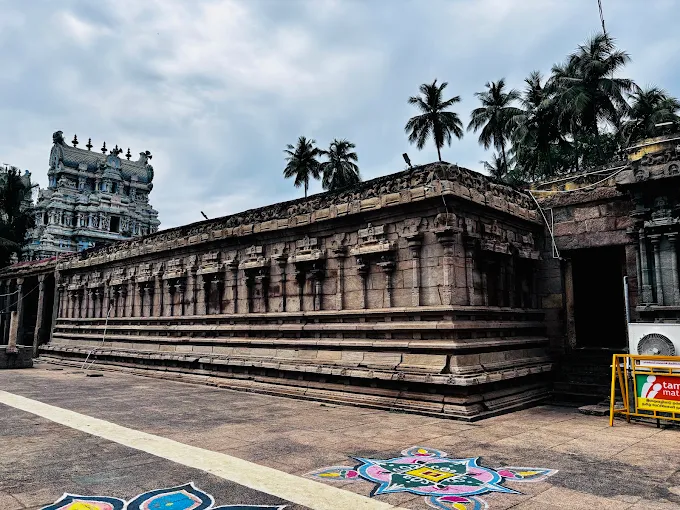
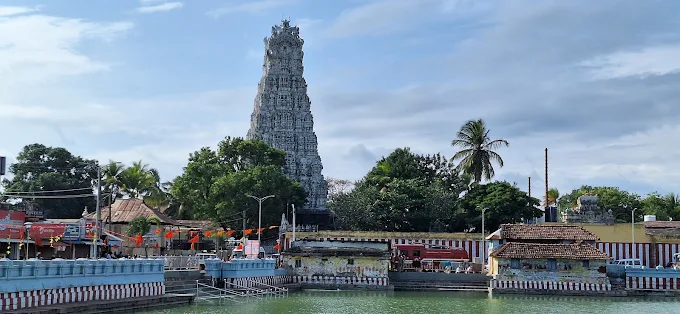
Sri Vanamamalai Perumal Temple, situated in Nanguneri (Tirunelveli district, Tamil Nadu), is one of the most venerated of the 108 Divya Desams celebrated in Sri Vaishnavism. It is counted among the eight sacred Svayam Vyakta Kshetras (self-manifested abodes of Lord Vishnu), along with Srirangam, Tirumala, Srimushnam, Badrinath, Naimisharanya, Salagramam, and Pushkar. In Vaishnava theology, the presiding deity, Sri Totadrinathan (also addressed as Vanamamalai Perumal and Deivanayaka Perumal), is revered as having appeared on His own accord beneath the sacred Adisesha canopy in a majestic seated posture (Veetriruntha Kolam), flanked by Sridevi and Bhudevi, alongside sages Bhrigu and Markandeya. The goddess of the shrine is worshipped as Sri Varamangai Thayar (Sireevaramangai Nachiyar), and this holy site is celebrated in the Nalayira Divya Prabandham by Nammalvar in eleven pasurams of Thiruvaimozhi (5.7). A distinct ritual hallmark of this temple is the daily Thaila Abhishekam (sacred oil ablution) performed on the self-manifested stone deity using pure gingelly oil and sandalwood oil. The sanctified oil is channeled into a deep stone well known as the 'Ennai Kinaru' (oil well) inside the temple grounds. Devotees across India seek this sacred oil prasadam, revering it traditionally as 'Sarva Roga Nivarani' with therapeutic efficacy for chronic skin conditions, arthritis, and ailments. The temple also serves as the headquarters of the historic Sri Vanamamalai Mutt (Totadri Mutt), an influential Tenkalai monastic institution.
Historically, Nanguneri—known in ancient records and stone epigraphs as Srivaramangala Chaturvedimangalam and Thothadri Kshetram—has been a major center of Vedic learning and Vaishnava worship in the southern Pandyan realm. Epigraphical studies conducted by the Archaeological Survey of India reveal that the settlement received royal endowments starting from the Early Pandya period. A significant 8th-century copper plate charter (the Velvikkudi and Madras Museum plates) documents that the Pandya king Nedunjadayan Maran Chadayan (Parantaka I, c. 765–815 CE) established and granted the agrahara town of Srivaramangalam to learned scholars, demonstrating the antiquity of the settlement. Architectural enhancements continued under the Later Pandyas, the Vijayanagara Empire, and the Madurai Nayaks in the 16th and 17th centuries, who erected monumental pillared mandapams, including the Veerappa Nayak Mandapam and the Jevvanthi Mandapam, adorned with exquisite sculptures depicting the Dasavatara, mythological warriors, and royal donors. Historically and ecclesiastically, the temple entered a crucial era in the early 15th century (c. 1447 CE) when Sri Manavala Mamunigal, the primary preceptor of the Tenkalai Sri Vaishnava tradition, deputed his foremost direct disciple, Sri Vaanamamalai Ramanuja Jeeyar (revered as Ponnadikkal Jeeyar), to take administrative and spiritual charge of the temple. Ponnadikkal Jeeyar established the Sri Vanamamalai Mutt, which has maintained unbroken hereditary trusteeship and pontifical governance over the temple and its rituals for over six centuries under the successive Vanamamalai Jeeyar pontiffs.
Devotees traditionally apply and consume the consecrated medicated gingelly oil drawn from the sacred Ennai Kinaru, having faith in its puranic reputation as 'Sarva Roga Nivarani' to ease persistent physical afflictions and chronic skin conditions.
According to the temple's sthala purana, a sacred bath in the Setru Thamarai (Indra) Pushkarini followed by worship of Totadrinatha freed King Sindhu from a canine curse, leading devotees to seek expiation from karmic sins and ancestral afflictions.
Lord Totadrinathan is depicted holding the celestial Prayoga Chakra; traditional belief holds that sincere prayers to this armed posture shield the devotee from hidden enmity, evil glances, and spiritual distress.
Because Nammalvar performed spiritual surrender (Saranagati) to the Lord of Srivaramangai, Vaishnava devotees believe worshipping at this Swayam Vyakta kshetra grants clarity of mind, inner peace, and divine grace toward ultimate liberation.
Devotees pray to Goddess Srivaramangai Thayar, who is considered the affectionate divine daughter of the Mutt's preceptor lineage, to receive blessings for timely marriage, familial harmony, and the gift of virtuous children.
Devotee-sponsored morning oil ablution seva to the Moolavar deity using sacred herbal-infused gingelly oil, after which the sanctified oil enters the stone oil-well for medicinal prasadam distribution.
A prestigious traditional ritual offering where large quantified measures (kottai) of sesame oil are dedicated by pilgrims for the continuous anointment of Lord Totadrinathan.
Recitation of the thousand sacred names of Lord Vishnu with sacred tulasi leaves performed individually for the welfare and prosperity of donor families.
Special ceremonial procession of the Utsava murti Sri Deivanayaka Perumal mounted on the golden chariot or sacred Garuda Vahana during monthly festivals, Ekadashis, and annual Brahmotsavam days.
No festivals available.
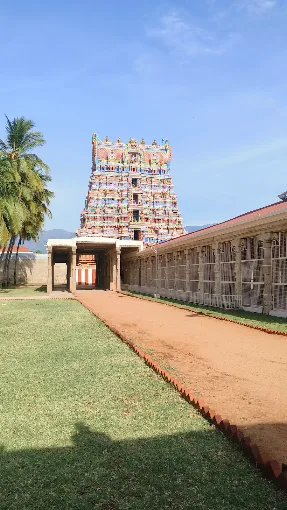
📍 11.81 km away
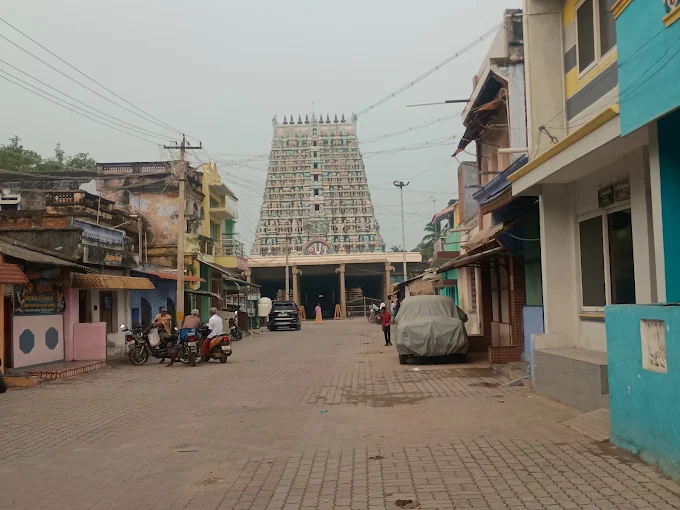
📍 31.83 km away

📍 33.52 km away

📍 34.49 km away
📍 42.89 km away

📍 47.35 km away
Stays near Nanguneri Vanamamalai Perumal Temple

📍 Near Kurinji Andavar Temple · 195.2 km
stayStarting from ₹2,000 / night
Discover more temples you may be interested in
You may also like these temples