☰

🛕 Lord Vishnu | 📍 Natham, Thoothukudi, Tamil Nadu
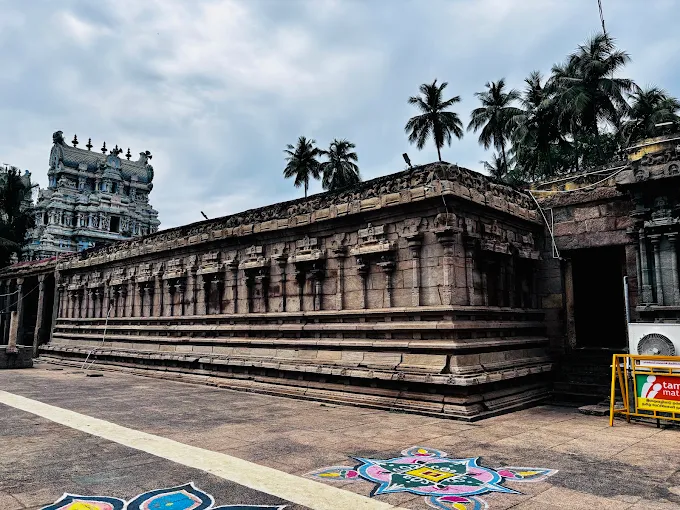
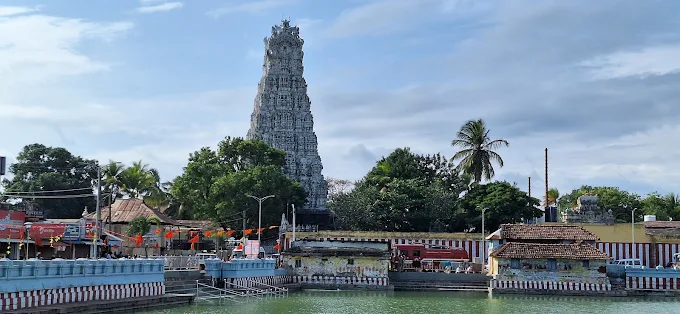
Thiruvaragunamangai Vijayasana Perumal Temple, situated in Natham village near Srivaikuntam in the Thoothukudi district of Tamil Nadu, is one of the revered 108 Divya Desams celebrated in the Sri Vaishnava tradition. It constitutes the second temple of the sacred Nava Tirupati circuit scattered along the fertile banks of the Thamirabarani River. In Navagraha-associated Vaishnavite worship, this holy kshetram is specifically dedicated to Chandran (the Moon), making it a principal pilgrim destination for alleviating Chandra Dosha and mental afflictions. The presiding moolavar deity, Lord Vijayasana Perumal, is enshrined in a majestic seated posture (Iruntha Kolam) facing east under the canopy of the serpent king Adisesha, symbolizing sovereign victory over material illusions and spiritual ignorance. Beside Him are the consorts Sri Varagunamangai Thayar and Sri Varagunavalli Thayar. The procession deity (utsavar) carries the evocative name 'Em Idar Kadivan', signifying the Lord who removes all sufferings and distress of His devotees. The temple's sanctum is crowned by the sacred Vijayakodi Vimanam, and the holy temple water bodies are revered as Agni Theertham and Deva Pushkarini. The shrine was praised by the pre-eminent Alvar saint Nammalvar in his Tiruvaimozhi hymns. In a celebrated verse, Nammalvar connects this shrine with adjacent holy places, capturing the divine omnipresence of Lord Vishnu across three distinct postures: reclining at Thiruppulingudi, seated at Varagunamangai, and standing at Srivaikuntam.
The history of Thiruvaragunamangai Vijayasana Perumal Temple encompasses both traditional sacred lore (Sthala Purana) and recorded regional architectural history. Traditional Beliefs and Legends: According to the Brahmanda Purana and temple sthala mahatmya, a pious Brahmin named Vedavit, who dwelled on the banks of the Narmada/Thamirabarani and meticulously served his elderly parents and guru, sought the ultimate vision of the Supreme Lord. Pleased with his virtuous duty, Lord Vishnu appeared before him in the form of an elderly sage and directed him to do penance at Varagunamangai on the banks of the sacred Thamirabarani. Vedavit practiced severe austerities while chanting the sacred Asana Mantra. Gracing his steadfast devotion, the Lord appeared seated in divine sovereignty and granted him spiritual liberation (Moksha). Because the Lord gave darshan seated in triumph upon the completion of this mantra, He earned the title 'Vijayasana Perumal' (Lord seated on the throne of victory). Tradition also narrates that Sage Romesa (Romarishi) performed penance for several thousand years here to obtain the Lord's divine vision. Furthermore, it is traditionally believed that Agni Deva was relieved of a curse at this holy site, and the legendary righteous pair Satyavan and Savitri received the Lord's supreme blessings here. Recorded Historical and Epigraphical Facts: In historical terms, the temple's antiquity is established by its hymns composed by saint Nammalvar, firmly placing its established worship between the 8th and 9th centuries CE. Epigraphical studies in the Thamirabarani valley associate the early structural foundation of the temple with the Early and Medieval Pandya kings, who created major granite temple complexes in the Tirunelveli-Thoothukudi belt. Surviving architectural components, including the granite plinth, sanctum sanctorum (garbhagriha), ardhamandapa, and the enclosure walls, demonstrate standard Pandya stonework. In subsequent centuries, the Vijayanagara rulers and later Madurai Nayak sovereigns contributed to renovations, the construction of stone pillared mandapas, and the five-tiered eastern Rajagopuram. Today, the monument is protected and managed by the Hindu Religious and Charitable Endowments (HR&CE) Department of the Government of Tamil Nadu.
As the sacred Chandra Sthalam in the Nava Tirupati circuit, traditional belief holds that worshipping Sri Vijayasana Perumal relieves planetary afflictions caused by the Moon, fostering mental peace and emotional stability.
Devotees traditionally believe that meditating upon the serene seated posture of the Lord under Adisesha dispels anxiety, depression, and mental oscillations, endowing seekers with psychological clarity.
True to His name 'Vijayasana' (He who sits upon the seat of triumph), the deity is traditionally venerated to grant success in righteous endeavors and remove chronic impediments in professional and family life.
Based on the legend of Vedavit who attained divine wisdom through devout contemplation here, students and scholars pray at this shrine for academic focus, sharp memory, and knowledge.
The processional deity is reverently titled 'Em Idar Kadivan' (dispeller of afflictions), and devotees invoke His grace to be rescued from grave personal crises and prolonged distress.
In Sri Vaishnava belief, Thiruvaragunamangai is revered as an auspicious Moksha Kshetram where sincere surrender leads to release from the cycle of worldly rebirth.
A specialized archana offering performed especially on Mondays and Pournami days to propitiate the planetary influence of the Moon and secure mental peace.
Sacred ceremonial bath performed to the procession deity (utsavar) Em Idar Kadivan using consecrated holy water, milk, curd, honey, and herbal pastes on auspicious asterisms and Ekadashi days.
The grand annual congregate ritual wherein the utsavar of Vijayasana Perumal mounts the golden Garuda vehicle and joins the other eight deities of Nava Tirupati in presence of saint Nammalvar.
Free mid-day consecrated food distribution provided daily around 12:15 to visiting devotees under the Tamil Nadu Government HR&CE Annadhanam scheme.
No festivals available.

📍 0.99 km away
📍 1.70 km away

📍 27.37 km away
📍 33.52 km away
📍 45.31 km away
📍 73.54 km away
Stays near Thiruvaragunamangai Vijayasana Perumal Temple

📍 Near Kurinji Andavar Temple · 184.5 km
stayStarting from ₹2,000 / night
Discover more temples you may be interested in
You may also like these temples