☰

🛕 Lord Vishnu | 📍 Thirupuliyangudi, Thoothukudi, Tamil Nadu
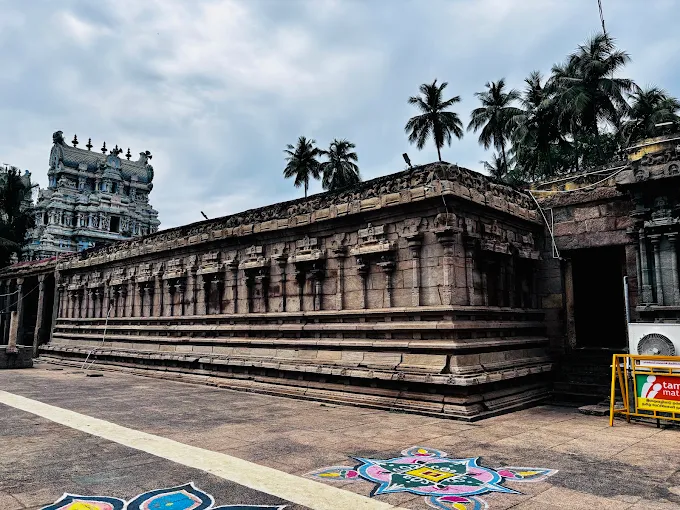
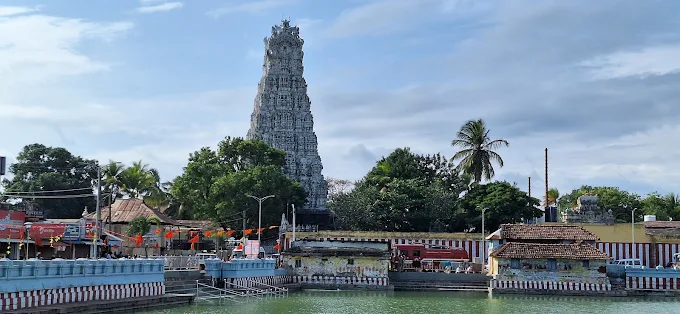
Arulmigu Sri Kaaisina Vendhar Perumal Temple, also known as Bhoomipalar Temple, is situated in Thirupuliyangudi along the fertile Thamiraparani river basin in the Thoothukudi district of Tamil Nadu. It is celebrated as one of the 108 Divya Desams (Pandiya Naadu Divya Desams) revered in the Sri Vaishnava tradition, having been consecrated by 12 hymns (pasurams) sung by the mystic poet-saint Nammalvar in the Nalayira Divya Prabandham. Within the sacred Nava Tirupati cluster, representing nine abodes of Vishnu aligned with the Navagrahas, this temple is revered as the sthalam for Budha (Mercury). The presiding deity, Sri Bhoomipalagar (Bhumipalar), is depicted in an imposing Bhujanga Sayanam (reclining posture on the serpent Adisesha) facing east, resting His head upon a traditional wooden grain measure (marakkal). A unique architectural and iconographic marvel here is the stalk emanating from the Lord's navel that connects directly to Lord Brahma depicted seated upon a lotus on the sanctum wall. Because the colossal reclining form stretches across the sanctum, devotees view the Lord's divine face and chest through the front entrance, while His holy lotus feet (Thiruvadi) are viewed through a specially placed stone aperture window along the outer circumambulatory corridor (prakaram). The processional deity is named Kaaisina Vendhan, translating in classical Tamil to 'the Sovereign Ruler who displayed righteous fury', referring to the Lord's assertive protection of righteousness against oppressive forces. The divine consorts are Malarmagal Nachiyar (Sridevi), Poomagal Nachiyar (Bhudevi), and Pulingudivalli Thayar, embodying abundance, patience, and maternal grace.
The history of the temple encompasses documented architectural evolution and enduring religious traditions. Epigraphical and architectural evidence indicates that the shrine has ancient roots dating to the medieval Pandyan era, situated in the fertile agrarian heartland of the Thamiraparani river basin. Pandyan kings patronized the site, constructing the granite sanctum (garbhagriha) and ardhamandapa in the traditional Dravidian style of temple architecture. Subsequent renovations, perimeter walls, and pillared pavilions were supported during the Vijayanagara and Madurai Nayak periods, as evidenced by stylistic elements and comparative regional inscriptions recording endowments of lands, golden ornaments, and agricultural yields to maintain perpetual lamps and daily rituals across the Nava Tirupati circuit. The poetic glorification of Thirupuliyangudi in the Nalayira Divya Prabandham by Nammalvar confirms that the temple was an influential centre of Vaishnavite devotion by at least the 8th to 9th century CE. In contrast to these recorded historical milestones, the temple's sthala purana preserves several devotional traditions. One primary legend narrates that Indra, having slain Trishiras (son of Tvashta) out of divine insecurity, incurred the severe affliction of Brahmahatya dosha. After wandering across various realms without relief, he performed intense penance at this tamarind-filled site (Puliyangudi), where Lord Vishnu appeared in His grand reclining posture and absolved him of the transgression. Another tradition recounts a dispute wherein Bhudevi, feeling neglected, retreated to the netherworld, causing the earth's natural vitality to wither; Lord Vishnu, accompanied by Sridevi, descended to pacify and re-enthrone her, earning the name Bhoomipalar (protector of the earth). Furthermore, a demon named Yagnasharma, cursed by the sons of Sage Vashishta, is believed to have regained his original divine form upon the touch of the Lord's holy feet at this sanctuary. Today, the administration of the temple is overseen by the Hindu Religious and Charitable Endowments (HR&CE) Department of the Government of Tamil Nadu.
Devotees traditionally worship the Lord here as the presiding deity of Mercury (Budha) in the Nava Tirupati circuit to mitigate astrological afflictions related to Budha, seeking intellectual clarity, analytical ability, and eloquent communication.
Rooted in the legend of Indra finding absolution from Brahmahatya dosha at this site, worshippers believe that heartfelt prayers before Bhoomipalar provide spiritual relief from heavy karmic burdens and lingering past transgressions.
Based on the traditional account of Lord Vishnu pacifying Goddess Bhudevi and bringing her together with Goddess Sridevi, devotees pray here to resolve marital friction, foster domestic peace, and restore harmony between separated couples.
Inspired by the tradition of Yagnasharma being freed from a severe sage curse upon the touch of the Lord's feet, pilgrims seek the divine vision of the Lord's holy feet through the sanctum aperture to obtain freedom from ancestral and generational curses.
Regarded as a sanctified Divya Desam immersed in Nammalvar's devotional hymns, visiting this serene riverside kshetra is traditionally believed to confer deep mental tranquillity, devotional surrender, and ultimate liberation (moksha).
Special archana performed particularly on Wednesdays with offerings such as green gram (pachai payaru) and green cloth to invoke the blessings of the Lord for Mercury-related astrological remedies.
Chanting of the thousand divine names of Lord Vishnu (Vishnu Sahasranama) by temple priests on behalf of the devotee for family prosperity and health.
Ritualistic sacred bath offered to the processional deity (Utsavar Sri Kaaisina Vendhar) and consorts using milk, curd, honey, and sanctified water on auspicious tithis such as Ekadashi and Thiruvonam.
Devotional sponsorships and special floral alankaram during the annual Vaikasi Garuda Sevai when the Utsava deities of all nine Nava Tirupati temples assemble.
No festivals available.

📍 0.99 km away
📍 2.69 km away

📍 26.78 km away
📍 34.49 km away
📍 46.28 km away
📍 74.41 km away
Stays near Kaisinivendan Perumal Temple

📍 Near Kurinji Andavar Temple · 184.4 km
stayStarting from ₹2,000 / night
Discover more temples you may be interested in
You may also like these temples