☰
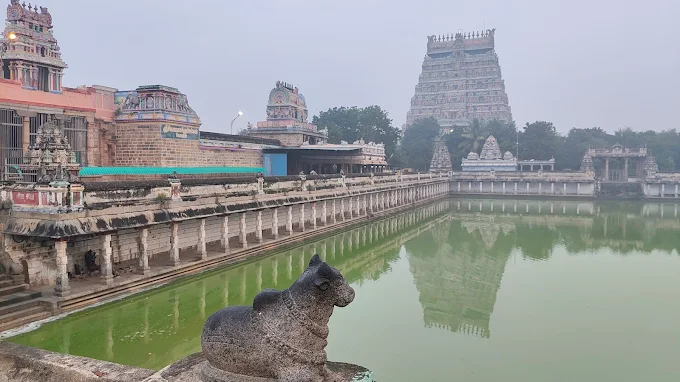
🛕 Lord Vishnu | 📍 Chidambaram, Cuddalore, Tamil Nadu
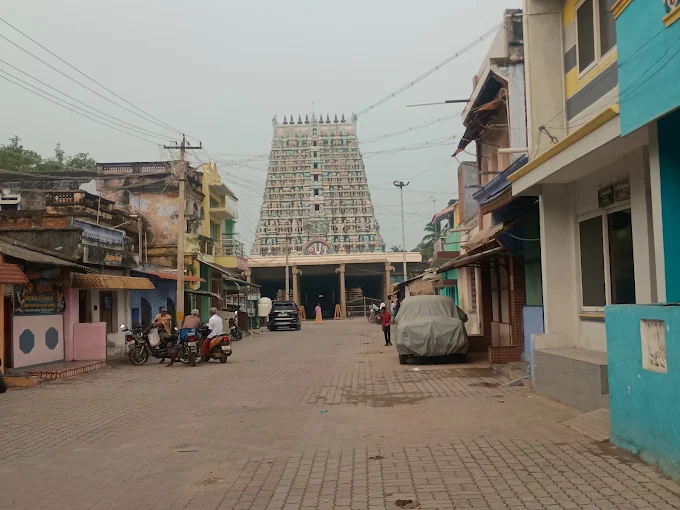
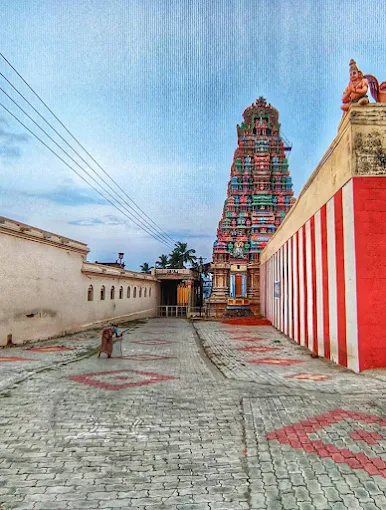
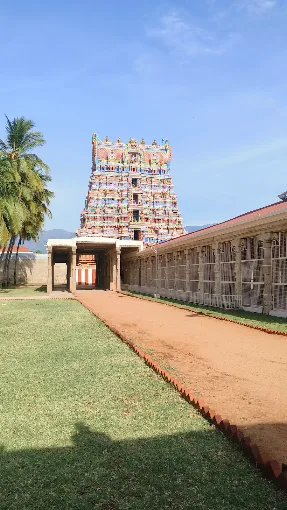
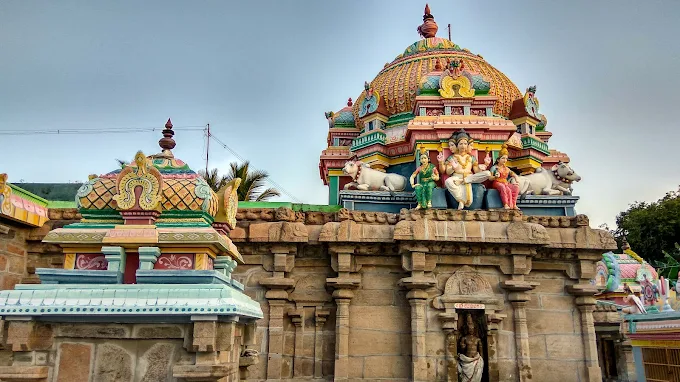
Thiruchitrakoodam Govindaraja Perumal Temple is one of the 108 sacred Divya Desams praised in the Nalayira Divya Prabandham by Vaishnavite Alvar saints. It is uniquely situated inside the historic Thillai Nataraja Temple complex in Chidambaram, Tamil Nadu. The presiding deity is Lord Govindaraja Perumal (Mahavishnu), who is depicted in a reclining posture (Bhoga Sayanam or Bhujanga Sayanam) on Adisesha, facing east, while his consort Goddess Lakshmi is venerated in a separate shrine as Pundarikavalli Thayar. A rare theological and architectural landmark, Thiruchitrakoodam is one of the few places in India where the primary shrines of Lord Shiva (Nataraja dancing in the Chit Sabha) and Lord Vishnu (Govindaraja Perumal) coexist side by side within the same holy quadrangle. According to tradition, standing in a specific spot in the courtyard permits a pilgrim to view Lord Nataraja, Lord Govindaraja, and Lord Brahma (sculpted upright near the Lord's navel) in a single unified sight, representing the Trimurti. The temple is praised in 11 verses by Kulasekhara Alvar, who revered the Lord as Sri Kalyana Rama, and in 32 verses by Thirumangai Alvar, who celebrated the reclining Lord quietly absorbing the blissful cosmic dance of Nataraja accompanied by the 3000 Tillai sages.
Historically, the shrine of Govindaraja Perumal at Chidambaram traces its roots to ancient and early medieval South Indian dynasties. Historical records and temple inscriptions suggest that royal patronage expanded during the Pallava period, notably attributed to King Nandivarman II Pallavamalla in the 8th century CE. During the reign of the Chola king Kulothunga Chola II in the 12th century CE, who was an ardent follower of Shaivism, royal intolerance towards Vaishnavism led to the removal of the Govindaraja idol from the temple premises; epigraphical accounts and traditional Vaishnava chronicles such as the Divyasuri Charitam note that the consecrated icon was removed and thrown into the sea. Vaishnavite devotees managed to safeguard the processional utsava murti, carrying it northward to Tirupati, where the philosopher-reformer Sri Ramanujacharya consecrated the deity in 1130 CE at Lower Tirupati (now the Sri Govindaraja Swamy Temple). Centuries later, during the Vijayanagara Empire and Nayak periods, the shrine inside Chidambaram was restored. In 1539 CE, King Achyuta Deva Raya provided significant royal patronage, and between 1564 and 1572 CE, King Krishnappa Nayak of Gingee officially reinstated the Govindaraja Perumal deity inside the sanctum despite resistance. Vaishnava priests (Bhattacharyas) adhering to the Vaikhanasa Agama were subsequently entrusted with the rituals. Today, while the Sabanayakar Nataraja shrine is managed by the hereditary Pothu Dikshitars, the Sri Govindaraja Perumal Temple is separately administered by the Hindu Religious and Charitable Endowments (HR&CE) Department of the Government of Tamil Nadu.
Devotees traditionally believe that praying to both Lord Shiva and Lord Vishnu in adjacent shrines removes discord and fosters harmony in family and personal life.
Traditional faith holds that having darshan of the reclining Govindaraja alongside Akasha Kshetra brings mental stillness and spiritual liberation from karmic cycles.
Pilgrims invoke Sri Govindaraja Perumal in his tranquil Bhoga Sayanam posture to seek relief from stress, grief, and unfounded fears.
Offering worship with Tulasi garlands at the feet of Lord Govindaraja is traditionally practiced to mitigate planetary hurdles and doshas.
Devotees pray to Govindaraja Perumal and Goddess Pundarikavalli Thayar for academic clarity, wedding blessings, and success in virtuous initiatives.
Sacred recitation of the thousand divine names of Lord Vishnu with fresh Tulasi leaves performed by the temple Bhattacharyas.
Ceremonial holy ablution performed on auspicious days and asterisms specifically for the metal processional deities (utsava murtis).
Special floral decoration, archana, and devotional offering conducted at Goddess Pundarikavalli's sanctum on Fridays.
Annual festival observance during Margazhi involving special rituals, decorations, and opening of the celestial northern entrance.
Grand spring festival in the Tamil month of Chithirai featuring special alankaram, homam, and precinct deity processions.
No festivals available.
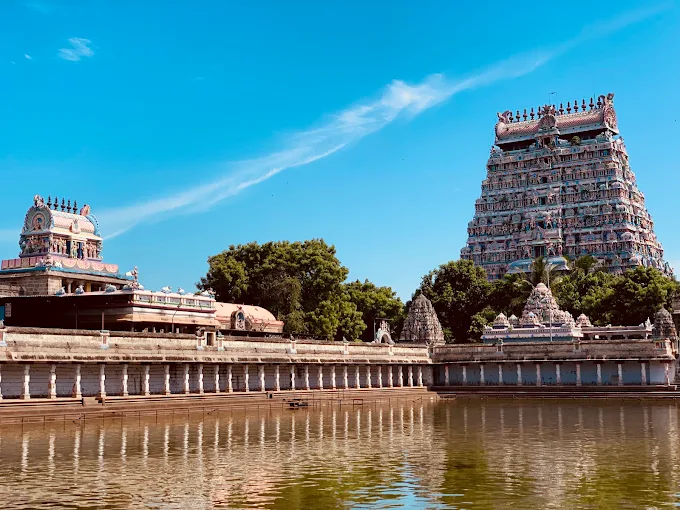
📍 0.02 km away

📍 9.11 km away
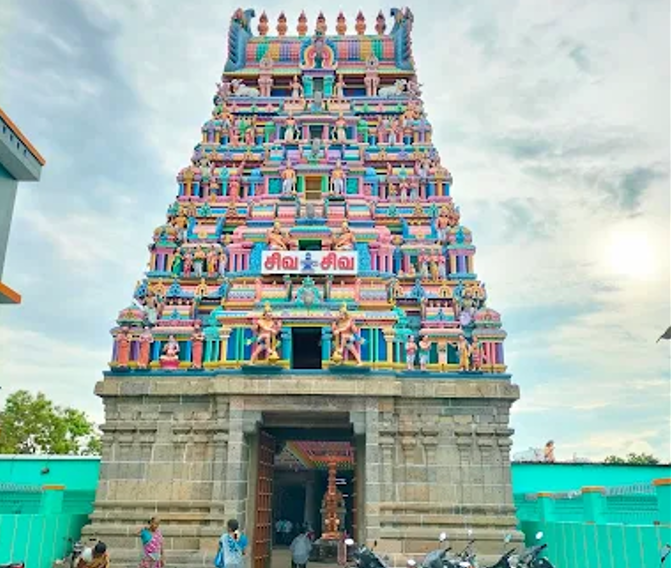
📍 10.35 km away
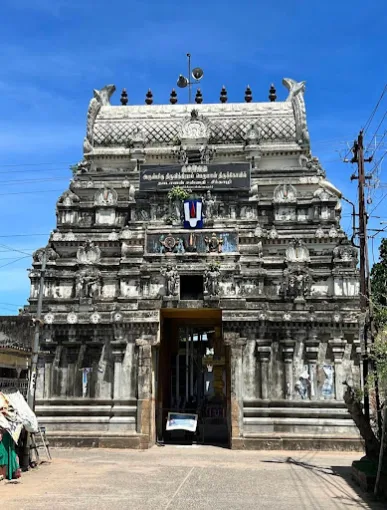
📍 18.09 km away
📍 18.20 km away
📍 18.53 km away
Stays near Thiruchitrakoodam Govindaraja Perumal Temple

📍 Near Kurinji Andavar Temple · 273.1 km
stayStarting from ₹2,000 / night
Discover more temples you may be interested in
You may also like these temples