☰
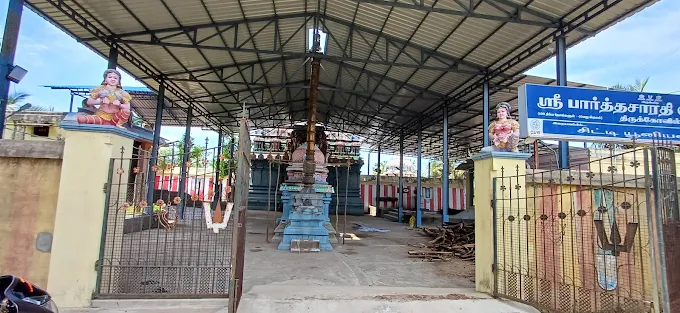
🛕 Lord Vishnu | 📍 Thirunangur, Mayiladuthurai, Tamil Nadu
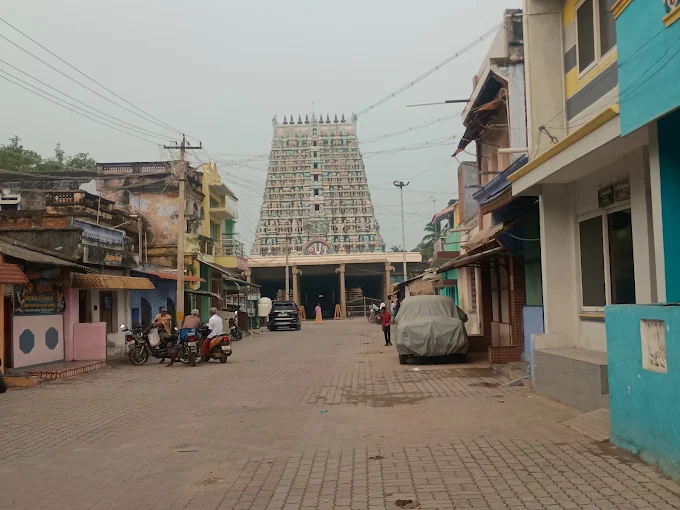
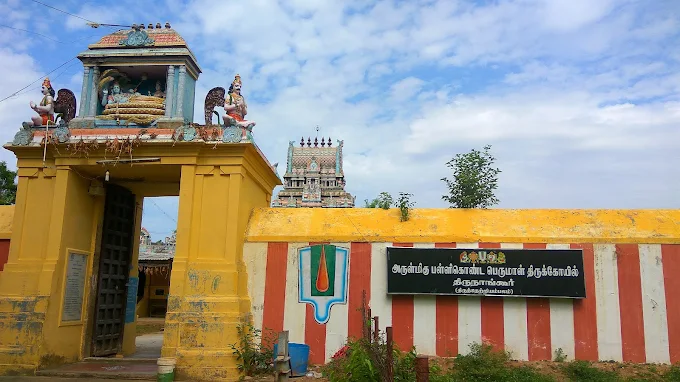
Thiru Parthanpalli Parthasarathy Perumal Temple, also celebrated as Arulmigu Thamaraiyal Kelvan Perumal Temple, is the 39th Divya Desam among the 108 sacred abodes of Lord Vishnu and one of the venerated eleven Thirunangur Tirupathis situated in the fertile Cauvery delta region of Tamil Nadu. The temple possesses unique mythological and theological significance, as it is intricately linked with the Mahabharata hero Arjuna (Partha) and his supreme charioteer, Bhagavan Sri Krishna. According to temple traditions, this is the sacred spot where Krishna appeared as Parthasarathy to instruct Arjuna, providing spiritual knowledge and initiating him into higher awareness, which earned the sacred space the name 'Parthan-palli' ('Palli' signifying an academy or school in traditional Tamil). The temple tank, known as Katga Pushkarini (Sword Spring), is believed to have been created when Arjuna, unable to find water to quench his severe thirst during his pilgrimage, received a divine sword from Lord Krishna and dug the earth, causing crystal-pure subterranean waters to gush forth. Distinct from all other Thirunangur shrines which were sung exclusively by Thirumangai Alvar, Thiru Parthanpalli is uniquely honoured by two Alvars—Thirumangai Alvar and Poigai Alvar—making it exceptional within the Nangur Divya Desam circuit. The presiding moolavar is worshipped as Sri Thamaraiyal Kelvan ('the Beloved Consort of Goddess Lakshmi residing on the lotus') standing gracefully under the sacred Narayana Vimanam, while the processional idol is Parthasarathy Perumal, flanked by consorts and uniquely enshrined alongside Kolavilli Ramar.
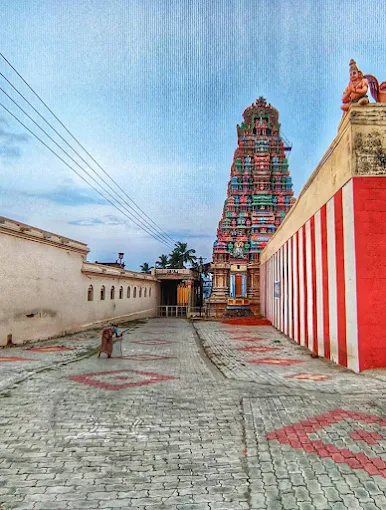
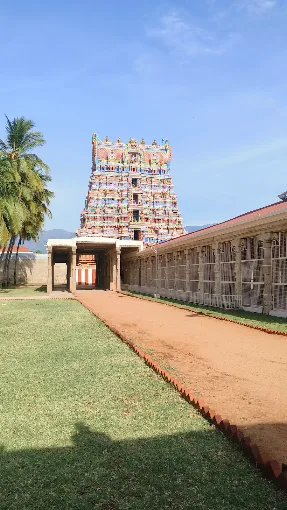
Historically, the architectural evolution of the Thiru Parthanpalli temple spans over a millennium, reflecting consecutive phases of South Indian royal patronage. The earliest literary references appear in the Tamil Vaishnavite canon, the Nalayira Divya Prabandham, composed by Thirumangai Alvar in the 8th to 9th centuries CE, which establishes the temple's prominence during the Early Medieval era. Structural evidence and regional temple architectural patterns indicate that the brick and timber shrine of the Pallava-Chola transition was rebuilt into a durable stone monument during the Medieval Chola era. Subsequent renovations, mandapa additions, and outer compound wall enhancements were undertaken under the patronage of the Vijayanagara rulers, Thanjavur Nayaks, and later Maratha sovereigns. The temple complex features an east-facing three-tiered Rajagopuram, an ardha mandapam, a maha mandapam, and a single circumambulatory prakaram housing individual shrines for Goddess Sengamalavalli (Thamarai Nayaki), Agastya, Arjuna holding the sword, Krishna, and the Alvars. For centuries, the shrine has formed an integral part of the famous Thirunangur Garuda Sevai festival held annually in the Tamil month of Thai, wherein the utsavar deities of all eleven Nangur temples assemble to receive the reverential adoration of Thirumangai Alvar. Today, the temple is administered under the Tamil Nadu Hindu Religious and Charitable Endowments (HR&CE) Department along with traditional hereditary archaka trusts.
As traditional lore honors this shrine as the sacred place where Krishna initiated Arjuna into higher spiritual learning, students and seekers worship here for intellectual clarity, focus, and scholastic progress.
Devotees facing emotional indecisiveness and professional dilemmas seek the guidance of Parthasarathy Perumal, believing the Lord bestows courage and decisive moral direction just as He guided Arjuna in crisis.
Bathing in or sprinkling the sacred waters of Katga Pushkarini, created by the divine blade given by Krishna, is traditionally believed to absolve sins and mitigate negative karmic afflictions.
Worship of Sri Thamaraiyal Kelvan and Sengamalavalli Thayar together is believed to remove matrimonial delays, alleviate domestic discord, and bless households with long-lasting peace and prosperity.
The annual flagship celebration during the Tamil month of Thai (Jan–Feb) where the utsavar is mounted on the divine Garuda Vahana and brought in grand regional procession to Thirunangur to receive mangalasasanam alongside the other 10 Divya Desams.
An annual ceremonial event celebrated on the New Moon day of the Tamil month Aadi, during which the processional deity proceeds to the holy sea confluence at Poompuhar for ceremonial holy dipping rites.
Sacred ablution offered to the processional deities on Ekadashi days, Rohini star, and other major Vaishnava festival days with milk, curd, honey, and herbal infusions.
Devotional chanting of the thousand sacred names of Lord Vishnu accompanied by the offering of sacred tulasi leaves and fragrant flowers.
No festivals available.
📍 1.09 km away

📍 1.28 km away
📍 1.43 km away
📍 1.46 km away
📍 1.52 km away
📍 1.54 km away
Stays near Thiru Parthanpalli Parthasarathy Perumal Temple

📍 Near Kurinji Andavar Temple · 271.8 km
stayStarting from ₹2,000 / night
Discover more temples you may be interested in
You may also like these temples