☰
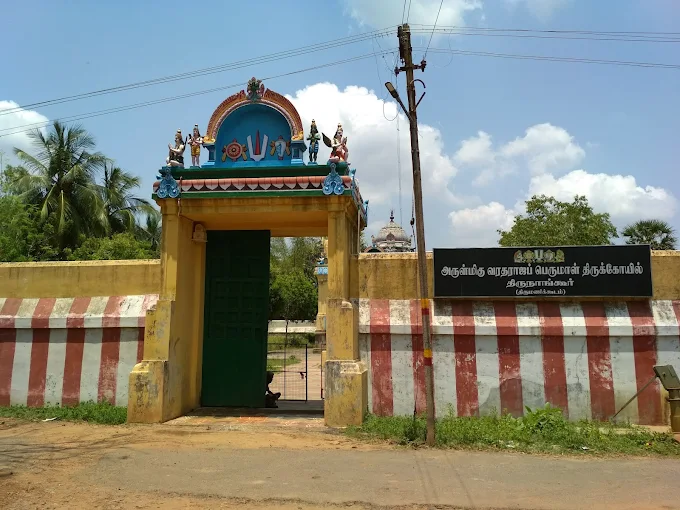
🛕 Lord Vishnu | 📍 Thirunangur, Mayiladuthurai, Tamil Nadu
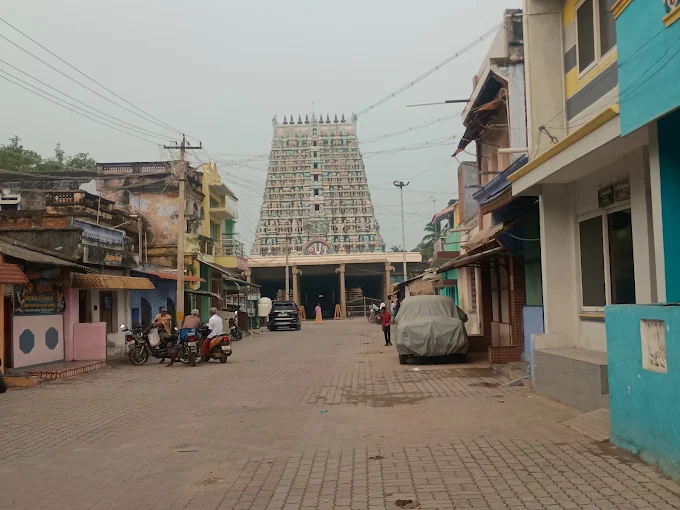
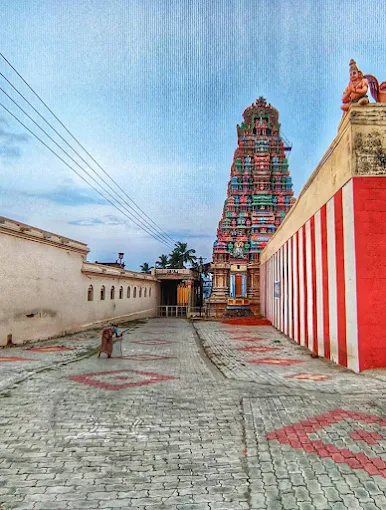
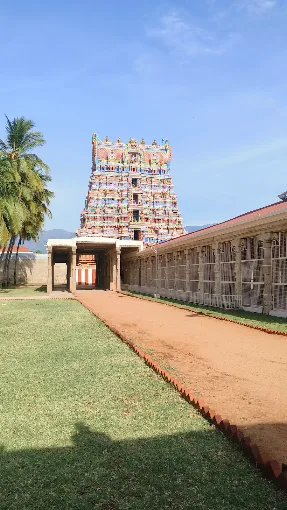
Thiru Manikkoodam Sri Varadaraja Perumal Temple is one of the 108 celebrated Divya Desams of Sri Vaishnavism and holds a distinguished place as one of the sacred 'Thirunangur Tirupathis' (a cluster of eleven Divya Desam shrines situated around the historic hamlet of Thirunangur in Mayiladuthurai district, Tamil Nadu). The presiding deity is worshipped as Sri Varadaraja Perumal (also revered as Manikkooda Nayakan), standing majestically facing east in 'Abhaya Hastha Mudra', accompanied by His divine consorts Sri Thirumamagal Nachiyar (Sridevi) and Bhoodevi. The sanctum sanctorum is sheltered beneath the sacred 'Kanaka Vimanam', and the holy temple water tank is known as 'Chandra Pushkarini'. The sacred site was glorified by Thirumangai Alvar in ten evocative pasurams of his magnum opus 'Periya Thirumozhi'. In these verses, the Alvar depicts the Lord as the eternal protector who came to the rescue of Gajendra the elephant, held up Mount Govardhana, and remains the primary refuge among the Trinity. According to regional Vaishnava traditions and sthala purana, the temple is famously venerated as a 'Chandra Dosha Parihara Sthalam'. Traditional belief holds that Lord Chandra (the Moon God) was relieved of a celestial affliction and restored to full radiance after bathing in the Chandra Pushkarini and seeking refuge at the lotus feet of the Lord here. Consequently, the Lord is revered by devotees under the epithet 'Chandra Saabha Haran'. A celebrated high point of spiritual assembly here is the grand Thai Amavasya Thirunangur 11 Garuda Sevai, wherein the utsava idol of Lord Varadaraja Perumal mounts the sacred Garuda Vahana alongside the deities of the ten other Nangur Divya Desams to bless devotees and receive the Mangalasasanam of Thirumangai Alvar.
The historical origins of the Thiru Manikkoodam temple trace back to the early medieval era of Tamil Nadu. The temple finds its earliest recorded literary evidence in the 8th-9th century CE canon 'Nalayira Divya Prabandham' through the hymnal contributions of Thirumangai Alvar, confirming that the shrine was already an established centre of Vaishnava worship during the late Pallava and early Chola eras. The existing structural core, featuring a modest single-prakaram layout and granite sanctum beneath the Kanaka Vimanam, exhibits classic Chola Dravidian temple architectural styles developed and renovated between the 10th and 12th centuries CE under Chola dynastic patronage. In later classical literature, the shrine was celebrated by Divya Kavi Pillai Perumal Aiyangar in his '108 Tirupati Antati' (17th century CE). Administratively, along with several other historic shrines of the Thirunangur sector, the temple came to be preserved and managed under the traditional religious jurisdiction of the Thirunangur Ezhu Koil Adheenam, later coming within the administrative purview of the Hindu Religious and Charitable Endowments (HR&CE) Department of the Government of Tamil Nadu. In traditional religious lore, the temple is intertwined with the overarching legend of the Thirunangur cluster. Legend recounts that following the tragedy of Daksha's yajna and the self-immolation of Sati, Lord Shiva engaged in the destructive Rudra Tandava. When each matted lock touched the ground, eleven emanations of Shiva manifested. To prevent universal annihilation, the devas surrendered to Lord Vishnu, who appeared before Shiva and assuaged His wrath. Upon Shiva's humble request to manifest in eleven corresponding forms, Lord Vishnu manifested in eleven distinct shrines across Thirunangur, of which Thiru Manikkoodam represents His benevolent boon-giving aspect as Varadaraja Perumal.
According to regional astrological and devotional belief, worshiping Varadaraja Perumal and the sacred waters of Chandra Pushkarini is traditionally sought to alleviate malefic influences of the Moon (Chandra Dosha) in one's birth chart.
True to His name 'Varadaraja' (the King of Givers), the deity is traditionally revered by devotees as a benevolent fulfiller of righteous aspirations, helping overcome obstacles in education, career, and household life.
In Vedic symbolism, the Moon governs the human psyche and emotional stability; devotees worship at this serene rural sanctum to find relief from mental stress, confusion, and anxiety.
The moolavar stands with His right palm raised in the Abhaya Mudra posture, which is believed in Vaishnava theology to bestow divine grace, fearlessness, and lifelong protection to surrendered souls.
Devotional chanting of the sacred names of Lord Maha Vishnu performed by the temple bhattar in the name and nakshatra of the devotee.
Sacred ceremonial bathing ritual performed to the deities on auspicious occasions such as Ekadashi, Swati, or Tiruvonam stars using sacred water, milk, and honey.
The premier annual festival ritual where the utsava deity of Varadaraja Perumal mounts the sacred Garuda Vahana to participate in the Thirunangur 11 Garuda Sevai assembly.
No festivals available.
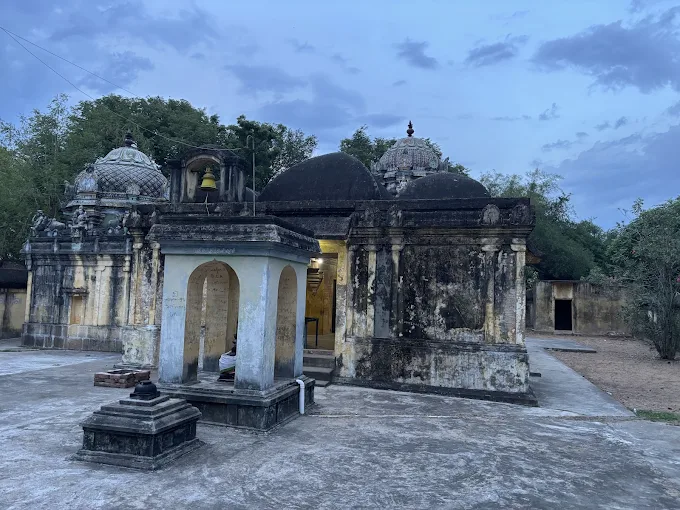
📍 0.85 km away
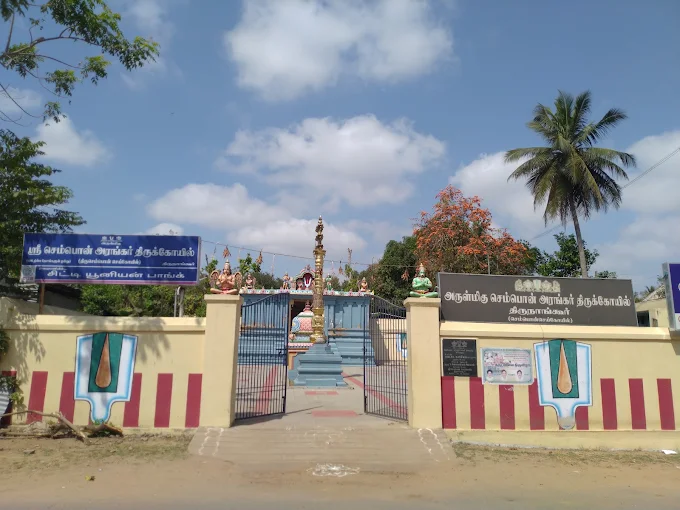
📍 0.95 km away
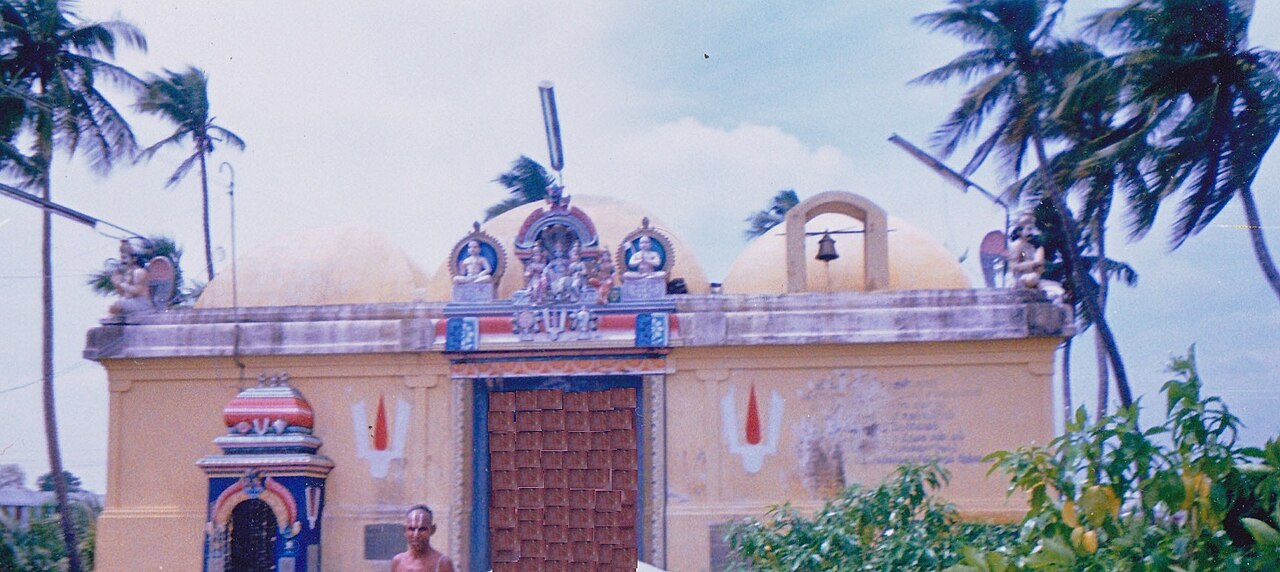
📍 1.05 km away
📍 1.09 km away

📍 1.15 km away
📍 1.20 km away
Stays near Thiru Manikkoodam Varadaraja Perumal Temple

📍 Near Kurinji Andavar Temple · 272.0 km
stayStarting from ₹2,000 / night
Discover more temples you may be interested in
You may also like these temples