
☰
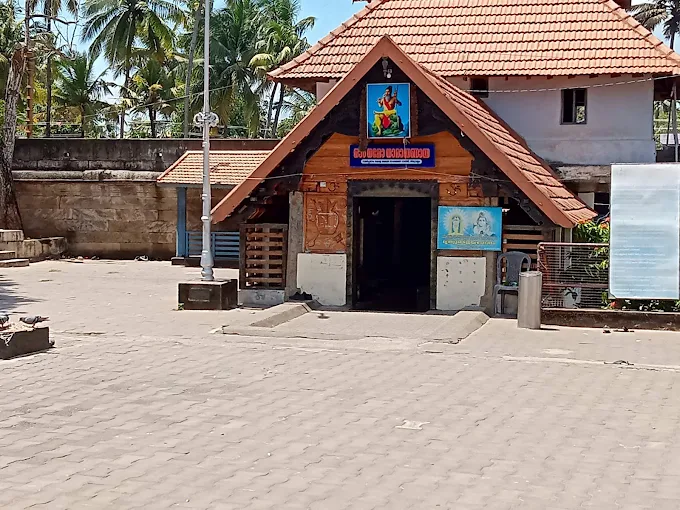
🛕 Lord Parasurama | 📍 Thiruvallam, Thiruvananthapuram, Kerala
Sree Parasurama Swami Temple at Thiruvallam is one of the most distinctive temples in Kerala because it is specifically dedicated to Sage Parasurama, the sixth incarnation of Lord Vishnu according to Hindu tradition. Kerala Tourism describes it as the only temple in Kerala dedicated to Parasurama. The temple stands beside the Karamana River at Thiruvallam in Thiruvananthapuram, creating a sacred landscape where temple worship, river traditions and ancestral rituals come together.
The greatest significance of the temple is its association with Balitharpanam, the traditional ritual performed to honour departed ancestors. Devotees visit Thiruvallam to offer bali and prayers for their forefathers. The ritual is traditionally accompanied by a dip in the sacred river waters. This has made Thiruvallam an important pilgrimage destination for families who wish to perform ancestral rites in a sacred environment. Kerala Tourism particularly identifies the temple as a place associated with obsequies and offerings to departed souls.
The temple's riverside location adds another dimension to its religious importance. Kerala Tourism's festival documentation describes the site as being associated with the meeting of the Karamana River, Killi River and Parvathy Puthanar, traditionally regarded as a sacred confluence. Such water bodies have an important place in Hindu ritual traditions, especially ceremonies connected with purification and remembrance of ancestors.
Parasurama himself occupies a unique place in Kerala's sacred geography. Hindu tradition identifies him as the warrior sage and an incarnation of Vishnu. A well-known Kerala tradition says that Parasurama reclaimed land from the sea and established the land that became Kerala. This is a religious legend and should be understood as traditional belief rather than a literal archaeological account of the formation of Kerala.
The temple is also significant from an architectural perspective. Kerala Tourism describes the structure as being constructed in black granite and notes its association with Chola-style architecture. The temple is also under the protection of the Archaeology Department, giving it importance as a heritage monument as well as a place of worship.
Karkidaka Vavu is particularly important at Thiruvallam. During the Malayalam month of Karkidakam, large numbers of devotees traditionally visit sacred river locations to perform rituals for their ancestors. Kerala Tourism's festival documentation records approximately one lakh participants for the annual Karkidaka Vavu observance at Thiruvallam.
For pilgrims, the temple therefore represents a combination of Parasurama worship, sacred rivers, ancestral remembrance and Kerala's traditional temple heritage. Unlike many temples whose primary attraction is a particular festival or architectural monument, Thiruvallam has a very specific spiritual purpose: providing a sacred setting for remembering and honouring one's ancestors.
For MandirVaas, this makes Sree Parasurama Swami Temple especially valuable as a heritage and ancestor-ritual pilgrimage destination, rather than simply another Vishnu temple.
Sree Parasurama Swami Temple at Thiruvallam has a long religious and architectural history, although the exact original date of the temple is not firmly established by a single surviving historical record. Kerala Tourism describes the temple as having a tradition extending back around two millennia, while another official Kerala Tourism festival document states that the present temple structure is associated with the late Pandyan period and dates it broadly to the 12th–13th centuries. Therefore, MandirVaas should distinguish between the temple's ancient religious tradition and the date of the present surviving structure.
The temple's traditional origin is associated with Vilwamangalam Swamy, a revered devotee of Lord Vishnu. According to the legend recorded by Kerala Tourism, Vilwamangalam Swamy was responsible for establishing the temple at Thiruvallam. This is part of the temple's religious tradition and should not be presented as an independently proven archaeological fact.
Another important historical tradition connects the rebuilding of the temple with Athiyaman Perumal, described by Kerala Tourism as a Chera king. The temple is constructed largely in black granite and has architectural characteristics associated with the Chola style. Kerala Tourism states that the structure was reconstructed under Athiyaman Perumal and is now protected by the Archaeology Department.
The temple's position beside the Karamana River was important to its religious development. The nearby confluence of the Karamana, Killi and Parvathy Puthanar waterways became associated with rituals for the dead. In Hindu ritual traditions, sacred water is frequently connected with purification, offerings and remembrance of ancestors. At Thiruvallam, this tradition became particularly prominent through the practice of Balitharpanam.
The temple therefore developed a strong identity as a place for ancestral rites. Devotees come to perform offerings for departed family members and to participate in ritual bathing in the sacred waters. The Karkidaka Vavu observance became particularly important, drawing large numbers of pilgrims to Thiruvallam. Kerala Tourism's festival documentation records the event as an annual observance lasting one day and notes approximately one lakh local participants.
The temple is also historically important because of its connection with the traditional story of Parasurama and Kerala. According to Hindu tradition, Parasurama reclaimed land from the sea and established Kerala as a sacred land. The Thiruvallam temple is dedicated specifically to this warrior sage and therefore occupies a distinctive position among Kerala's temples. Kerala Tourism's temple directory explicitly describes it as the only temple in Kerala dedicated to Parasurama.
The surviving temple architecture reflects Kerala's historical interaction with different South Indian architectural traditions. Its black-granite construction and Chola-style characteristics make it valuable from an architectural and heritage perspective. The Archaeology Department's protection of the temple further demonstrates its importance as a historic monument.
Today, the temple continues to function as both a place of worship and a major centre for ancestral ceremonies. Its history is therefore preserved not only through architecture and tradition but also through living ritual practices. For MandirVaas, the temple's story should be presented through three connected layers: the ancient Parasurama tradition, the historical development of the present temple structure, and the continuing Balitharpanam tradition that makes Thiruvallam one of Kerala's important pilgrimage destinations for ancestor rites.
No daily poojas available.
No special rituals available currently.
No festivals available.
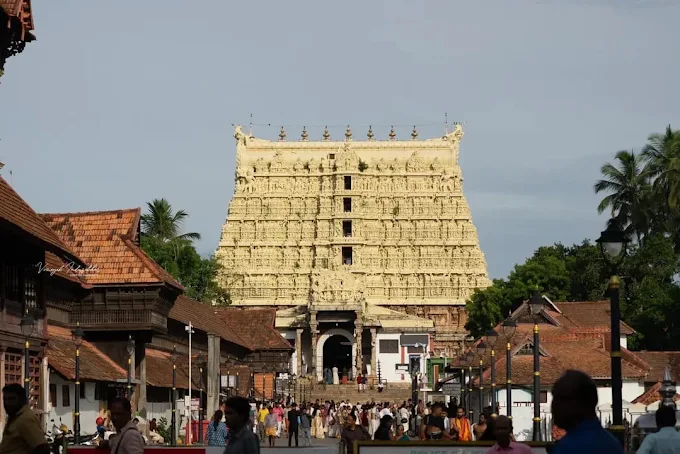
📍 4.75 km away
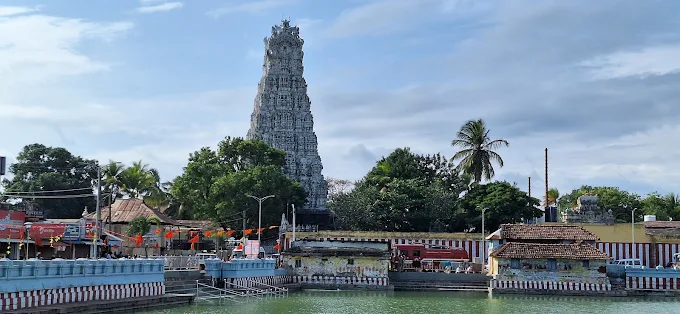
📍 64.49 km away
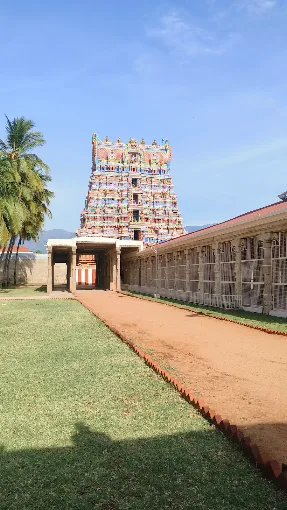
📍 67.21 km away
📍 69.17 km away

📍 76.96 km away
📍 77.44 km away
Stays near Sree Parasurama Swami Temple, Thiruvallam

📍 Near Kurinji Andavar Temple · 208.4 km
stayStarting from ₹2,000 / night
Discover more temples you may be interested in