
☰
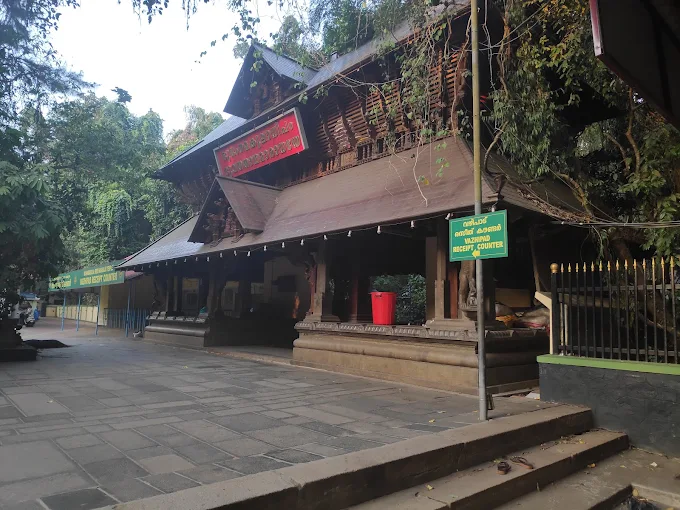
🛕 Lord Shiva | 📍 Haripad, Alappuzha, Kerala
Mannarasala Sree Nagaraja Temple at Haripad in Alappuzha is one of Kerala's most distinctive centres of serpent worship. Unlike conventional temples where the sacred experience is concentrated around a large central structure, Mannarasala unfolds through a temple, ancestral sacred spaces and a dense serpent grove. The atmosphere is therefore an important part of the pilgrimage. Visitors move through shaded pathways surrounded by trees and numerous serpent images, creating a setting where worship and the natural landscape remain closely connected. Kerala Tourism describes Mannarasala as one of the most famous serpent temples in Kerala, while the temple's own tradition presents it as an ancient pilgrimage centre dedicated to Sree Nagaraja.
The principal deity is Lord Sree Nagaraja, the Serpent King. The sacred pantheon also includes deities such as Sarpayakshi, Nagayakshi and Nagachamundi. The temple's worship therefore represents a broader Nāga tradition rather than devotion to a single serpent image. The official temple tradition describes Nagaraja as a powerful protective deity, while devotees traditionally approach the shrine seeking blessings connected with family welfare, prosperity, protection and spiritual well-being.
One of the most remarkable features of Mannarasala is its sacred serpent grove. Kerala Tourism has described thousands of serpent images placed along the pathways and among the trees, while the temple's own traditions emphasise the protected sacred-grove environment. The presence of these images makes the pilgrimage visually and spiritually different from an ordinary temple visit. The forest-like surroundings also demonstrate an important aspect of Kerala's traditional sacred-landscape culture, where particular groves are preserved as spaces associated with Nāga worship.
Mannarasala is especially known for rituals connected with family welfare and fertility. One of the best-known offerings is Uruli Kamazhthal, traditionally performed by couples seeking the blessing of children. After the birth of a child, families may return for Uruli Nivarppu and thanksgiving rituals. The temple also conducts Noorum Palum Pooja, an important offering involving rice flour and milk for Nagaraja and associated serpent deities. The official temple describes these rituals as important parts of its living devotional tradition.
Another extraordinary feature is the continuing role of Mannarasala Amma, the senior female priestess of the temple tradition. Kerala Tourism notes that Mannarasala is particularly known for its female priestess, while the temple's official history describes the succession of the senior Brahmin woman of the family as the holder of this ritual responsibility. This makes the temple especially significant in the study of Kerala's distinctive religious traditions.
The annual Mannarasala Ayilyam festival is the temple's best-known festival. During the festival, serpent images associated with the temple and sacred grove participate in ceremonial processions and special offerings. Ayilyam observances occur according to the Malayalam calendar, and exact dates vary annually. The temple also observes other important ritual occasions, including Maha Shivaratri and various Nāga-related ceremonies.
For a pilgrim, Mannarasala is therefore more than a temple building. It is a living sacred landscape where serpent worship, family traditions, ritual offerings, forest ecology, ancestral memory and Kerala's religious heritage come together. The combination of Nagaraja worship, sacred groves, the unique priestess tradition and distinctive rituals makes Mannarasala one of the most culturally distinctive pilgrimage destinations in Kerala.
The history of Mannarasala Sree Nagaraja Temple is closely intertwined with traditional stories about the origin of Kerala and the ancient Nāga worship of the region. It is important to distinguish these sacred traditions from independently documented archaeological history. The temple's own official history presents the story through its long-standing religious tradition, while Kerala Tourism likewise describes the connection with Parashurama as a belief or legend. Therefore, the Parashurama narrative is best understood as the sacred origin tradition of Mannarasala rather than as an independently established historical event.
According to the temple tradition, Parashurama reclaimed the land of Kerala from the sea and initially found the newly created land unsuitable for cultivation because of its saline nature. Seeking a solution, he turned to divine guidance and was directed towards the Nāga deities. Nagaraja is believed to have accepted Parashurama's request and taken residence at the sacred grove that became Mannarasala. The temple's official history says that Parashurama then consecrated Nagaraja and established other Nāga deities, including Sarpayakshi, Nagayakshi and Nagachamundi, through traditional rituals.
The story then develops around the relationship between the Nāga deity and the Brahmin family entrusted with the temple's worship. According to the traditional account, a devastating forest fire once affected the serpent population around the sacred area. The wife of the Brahmin family is said to have cared for the injured serpents by applying tender coconut water, milk and turmeric. Pleased by her compassion, Nagaraja is believed to have appeared to her and promised to be born as her child. The tradition says that she subsequently gave birth to both a human son and a remarkable five-hooded serpent child.
The five-hooded serpent child occupies an important place in the temple's sacred history. According to tradition, he eventually withdrew into the underground Nilavara, the sacred cellar associated with the ancestral home of the temple family. He is traditionally regarded as Muthassan, meaning grandfather, and is believed to remain there in eternal tapas. The temple also preserves the Appoppan Kavu, a sacred grove associated with this tradition. These elements show how the history of Mannarasala is not restricted to the visible temple building but includes a wider sacred landscape of grove, ancestral home, cellar and ritual spaces.
One of the most unusual historical traditions associated with Mannarasala is the continuation of female ritual authority. The temple's official account states that Nagaraja entrusted the responsibility of worship to his mother and that this duty would pass to the senior-most Brahmin woman of the family. This tradition continues through Mannarasala Amma, the temple's senior priestess. Kerala Tourism has also highlighted the female priestess as one of the temple's distinctive characteristics.
Over generations, Mannarasala developed into a major centre of serpent worship. Rituals such as Sarpabali, Noorum Palum, Uruli Kamazhthal and other Nāga-related offerings became part of its living religious tradition. The temple also developed an extensive annual festival calendar, with Mannarasala Ayilyam becoming its most prominent public celebration. During Ayilyam, serpent images associated with the temple and sacred grove participate in ceremonial processions and special offerings.
Today, Mannarasala continues to preserve the combination of temple worship, sacred grove traditions and family-based ritual authority that distinguishes it from many conventional temples. Its history should therefore be presented on MandirVaas in two layers: the traditional sacred history, centred on Parashurama, Nagaraja, the five-hooded serpent and Muthassan; and the living cultural history, represented by the hereditary worship tradition, Mannarasala Amma, sacred groves, rituals and annual festivals. This distinction allows visitors to appreciate the temple's religious traditions without confusing sacred legend with independently verified archaeological history.
No daily poojas available.
No special rituals available currently.
No festivals available.

📍 10.45 km away
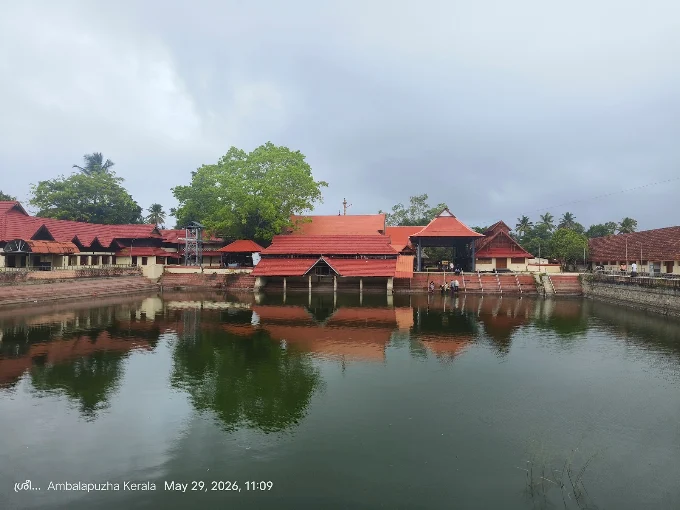
📍 13.35 km away

📍 21.63 km away
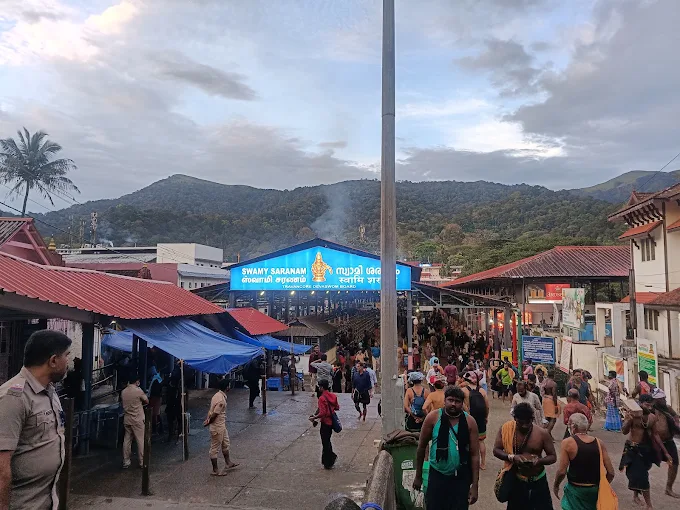
📍 69.74 km away
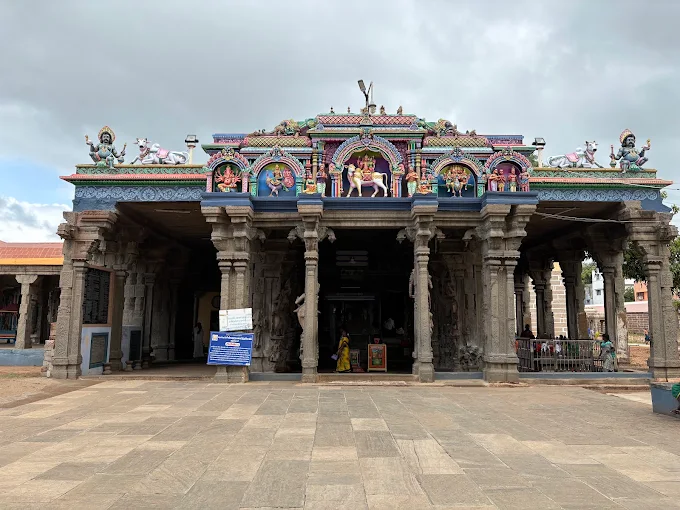
📍 101.64 km away
📍 105.08 km away
Stays near Mannarasala Sree Nagaraja Temple

📍 Near Kurinji Andavar Temple · 155.7 km
stayStarting from ₹2,000 / night
Discover more temples you may be interested in
You may also like these temples


