☰

🛕 Lord Shiva | 📍 Thiruvanaikaval, Tiruchirappalli, Tamil Nadu
Arulmigu Jambukeswarar Temple at Thiruvanaikaval (also known as Thiruvanaikoil) is one of the most revered Shaivite shrines in India and holds premier status as the 'Appu Sthalam' (Water Element shrine) among the sacred Pancha Bhoota Sthalams. In this sanctum, Lord Shiva is venerated as Jambukeswarar in the form of an Appu Lingam (Water Lingam). A perennial natural spring continually wells up from beneath the earth, keeping the base of the sanctum sanctorum submerged in water across all seasons. The temple is situated on the sacred river island bounded by the Kaveri and Kollidam rivers near Tiruchirappalli.
The shrine is celebrated as one of the 275 Paadal Petra Sthalams, gloriously praised in the Tevaram hymns of the 7th–8th century Nayanmar saint-poets Thirugnanasambandar, Appar, Sundarar, and Manikkavacakar. A singular theological hallmark of this temple is that it is an 'Upadesa Sthalam'. According to devotional tradition, Goddess Parvati, incarnated here as Akilandeswari, performed severe penance under the sacred white jamun tree (Venn Naaval) by fashioning a Lingam out of Kaveri water. Shiva manifested before her and imparted Brahma Jnana (supreme spiritual wisdom). Because the Goddess learned from the Lord as a disciple facing east while the Lord faces west, this temple honors a Guru-Shishya (preceptor-disciple) relationship; consequently, the traditional celestial wedding (Thirukalyanam) is never enacted between them here.
Another significant tradition involves the philosopher Adi Shankaracharya, who is believed to have appeased Goddess Akilandeswari's fiercely powerful (Ugra) energy by installing the Sri Chakra and Ganapati Yantra in the form of ear ornaments (Tatankas). He also established the shrine of Sri Prasanna Vinayagar directly facing her sanctum, transforming her manifestation into a benevolent, all-bestowing mother. To this day, the daily Uchikkala (midday) pooja reenacts the Goddess's devotion, wherein the male chief priest drapes a saree, adorns a crown, and performs the noon ritual to Lord Jambukeswarar.
The recorded architectural history of the Jambukeswarar Temple spans over 1,800 years, with significant contributions across major South Indian dynasties. According to Tamil literary sources and epigraphical tradition, the foundational structural shrine was established by the Early Chola monarch Kochengat Cholan (Ko Chenkannan), celebrated in the Sangam work Purananuru and Sekkizhar's Periyapuranam. Kochengat Cholan is credited with constructing seventy 'Maada Kovils'—elevated temples with narrow entrances designed specifically so that elephants could not gain entry into the sanctum, a design motif linked to the lore of his prior birth.
Epigraphical research has revealed more than 156 inscriptions etched into the temple walls, documenting extensive endowments from the 10th to the 16th centuries. The Imperial Medieval Cholas, including Parantaka I, Rajaraja Chola I, Rajendra Chola I, and Kulothunga Chola I, enriched the complex with grants of fertile agricultural lands, perpetual lamps, and gold ornaments. During the 13th century, the Hoysala Empire established substantial influence in the Kaveri delta; Hoysala King Vira Someswara built multiple shrines within the complex and contributed to the foundational structures of the grand Rajagopuram.
Subsequent expansion occurred under the Second Pandyan Empire, particularly Jatavarman Sundara Pandyan I, followed by magnificent pillared halls, dynamic mandapams, and outer defensive walls added during the Vijayanagara Empire and the Nayakas of Madurai. The vast temple complex covers nearly 18 acres and is structured in five concentric prakarams (enclosures). The massive fifth outer wall, known as the 'Thiruneetran Madhil' (sacred ash wall), spans over a kilometer; local belief holds that Lord Shiva himself manifested as a mason to build it, paying the laborers with sacred ash that turned into gold proportional to their sincere labor.
In the 18th century, during the Carnatic Wars, the temple compound occasionally served as a strategic military encampment for French and British forces. During the late 19th and early 20th centuries, significant renovations and kumbhabhishekams were undertaken by the devout Nattukottai Nagarathar (Chettiar) community. Today, the temple is under the administrative governance of the Hindu Religious and Charitable Endowments (HR&CE) Department of the Government of Tamil Nadu.
As Thiruvanaikaval is the sacred Upadesa Sthalam where Goddess Akilandeswari received divine spiritual wisdom from Lord Shiva, students and aspirants traditionally pray here for enhanced intellect, oratorical skills, and excellence in learning.
Being the Appu Sthalam (Water Element), praying to the submerged Swayambhu Lingam is traditionally believed to cleanse negative karmas, purify the mind, and bestow inner peace akin to bathing in holy rivers.
Devotees, particularly women, offer prayers to Goddess Akilandeswari adorned with her sacred Sri Chakra Tatankas to remove severe matrimonial hurdles, promote marital harmony, and seek the blessing of virtuous progeny.
Tradition holds that the elephant and spider attained spiritual liberation here despite their mutual antagonism, making worship here a potent traditional remedy for Rahu-Ketu and planetary afflictions.
Devotees can sponsor the ceremonial pulling of Goddess Akilandeswari's golden car around the inner temple prakaram on select evenings, subject to prevailing temple booking fees.
Special offering where the golden armour (Thanga Kavasam) is adorned upon Goddess Akilandeswari during designated worship days.
Individual archana chanting the one thousand holy names of Lord Jambukeswarar or Sri Akilandeswari performed with bilva or flower offerings by the temple priests.
Veneration and worship offered to a sacred cow in front of the sanctum, an essential traditional rite performed during morning and midday poojas.
The Panguni Mandala Brahmotsavam is the premier annual festival at Thiruvanaikaval Jambukeswarar Temple, extending for an entire mandalam (over 40 days) across the Tamil months of...
A significant multi-day festival celebrated during the Tamil month of Thai. Because Jambukeswarar Temple is the Appu Sthalam (representing the element of water among the Pancha Bho...
Observed on Krishna Paksha Chaturdashi in the month of Masi (Phalguna). As Thiruvanaikaval houses the natural spring water lingam (Appu Lingam) that remains submerged, Maha Shivara...
A 10-to-12-day festival celebrated in the Tamil month of Aadi dedicated specifically to Goddess Akilandeswari, culminating on her natal star, Pooram. The goddess is taken on nightl...
Navarathri is celebrated on an elaborate scale at the shrine of Goddess Akilandeswari, who is venerated here as the supreme manifestation of Shakti. Throughout the nine nights, the...
Celebrated in the Tamil month of Karthigai on the full moon day aligned with the Krittika nakshatra. Devotees light rows of traditional oil lamps across the vast temple enclosures...
📍 2.01 km away

📍 2.61 km away
📍 3.09 km away
📍 4.38 km away

📍 4.63 km away
Stays near Thiruvanaikaval Jambukeswarar Temple
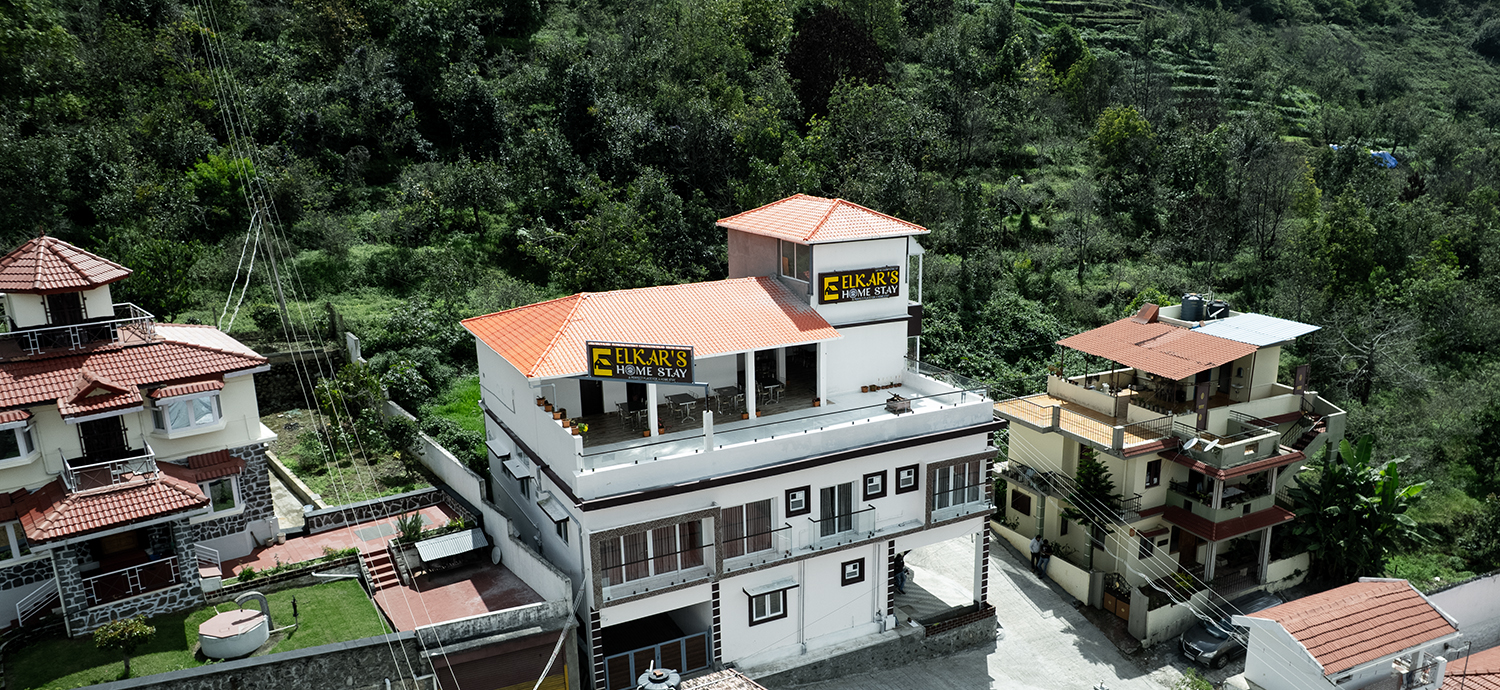
📍 Near Kurinji Andavar Temple · 149.5 km
stayStarting from ₹2,000 / night
Discover more temples you may be interested in
You may also like these temples