☰
🛕 Lord Devi | 📍 Gangotri, Uttarkashi, Uttarakhand
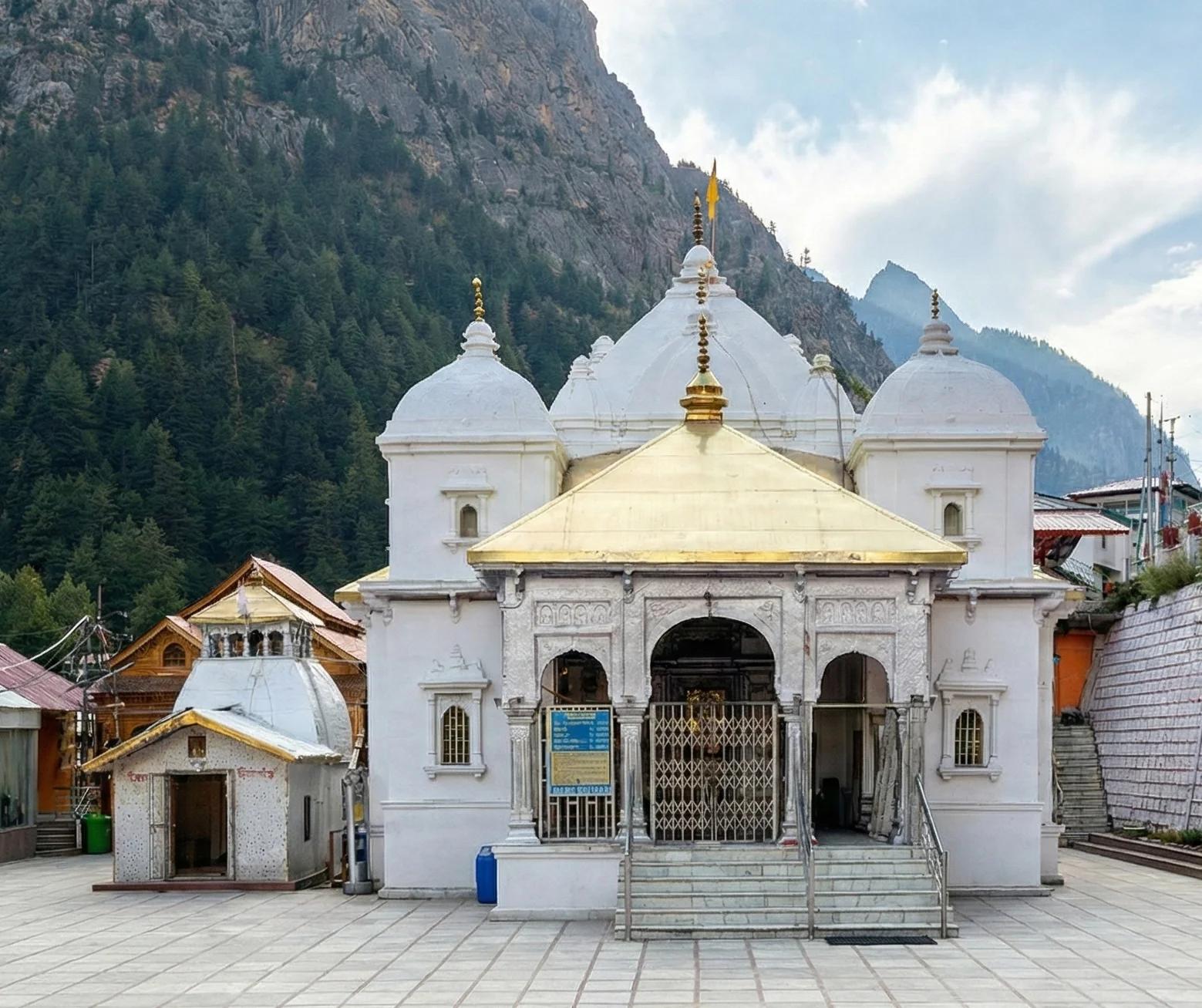
Gangotri Temple, situated at an altitude of approximately 3,100 metres (10,170 feet) in the Uttarkashi district of Uttarakhand, is one of the four sacred shrines that constitute the revered Chota Char Dham pilgrimage circuit of the Garhwal Himalayas. The temple is dedicated to Goddess Ganga, the personification of the most sacred river in Hinduism. According to Hindu mythology, Gangotri is the sanctified spot where the celestial River Ganga descended from the heavens to Earth, after King Bhagiratha undertook rigorous penance to grant liberation to the souls of his 60,000 ancestors. To cushion the immense shock of her torrential descent, Lord Shiva captured the turbulent waters within his matted hair (jata) and released the river gently upon the Himalayas. While the geological origin of the Bhagirathi River is the Gaumukh glacier, located roughly 19 km further up the valley, Gangotri serves as the principal spiritual seat and accessible gateway to the origin of the Ganga. The temple opens annually on the auspicious day of Akshaya Tritiya (April/May) and closes immediately after Diwali or on Bhai Dooj (October/November), during which the processional silver idol (Utsav Murti) of Maa Ganga is ceremoniously conveyed down the Bhagirathi valley to the village of Mukhba (Mukhimath) near Harsil for daily worship throughout the severe Himalayan winter.
While the mythological sanctity of Gangotri as a sacred tirtha dates back to ancient Indian epics and Puranas, the physical temple that stands today has a documented historical origin dating back to the early 19th century. Historically, before a formal stone temple existed, pilgrims and local mountain hermits worshipped the Bhagirathi River directly along its rocky banks at the sacred rock known as 'Bhagirath Shila'. During the Gorkha rule over the Garhwal kingdom (1804–1815), the Nepalese Gorkha General Amar Singh Thapa constructed the first permanent temple structure of white granite at Gangotri to honour Goddess Ganga. In the early 20th century, the structure was substantially renovated, reinforced, and beautified under the patronage of Maharaja Madho Singh II of Jaipur to protect it against severe mountain blizzards, seismic tremors, and heavy winter snow accumulation. Architecturally, the temple is constructed in a modest yet resilient North Indian Nagara style, featuring five spires (shikharas) and a simple sanctum sanctorum (garbhagriha) surrounded by a tranquil stone courtyard on the right bank of the Bhagirathi River. The hereditary ritual duties and priestly services of the shrine have been traditionally administered by the Semwal Brahmin community, hailing from the nearby village of Mukhba, who accompany the deity between Gangotri and her winter seat every year.
According to traditional Hindu beliefs, taking a holy dip in the pristine Bhagirathi River and offering prayers at Gangotri absolves sins and purifies the devotee's mind and soul.
Just as King Bhagiratha liberated his ancestors through Ganga's descent, devotees traditionally perform Pitru Tarpan and Pind Daan along the sacred Bhagirath Shila to ensure peace and spiritual ascension for departed forebears.
The serene Himalayan surroundings, crisp mountain air, and constant resonant flow of the river create a deeply meditative atmosphere conducive to inner peace and emotional balance.
Devotees revere Goddess Ganga as the loving universal mother (Maa Ganga); seeking her darshan is traditionally held to confer health, spiritual wisdom, and righteous prosperity.
An elaborate 16-step worship ritual performed on behalf of the devotee by the chief temple priests (Rawals), including invocation, sacred abhishekam, peace chants, and archana before the sacred padukas of Goddess Ganga.
Traditional devotional offering comprising five sacred elements: gandha (fragrance), pushpa (flowers), dhoop (incense), deepa (light), and naivedya (food offering) presented directly to Maa Ganga.
Special ceremonial ablution of the divine representation with sacred mountain water, milk, curd, honey, and herbal essences, accompanied by Vedic chanting.
Solemn Vedic ancestral rite conducted by specialized tirth purohits at the Bhagirath Shila along the Bhagirathi riverbank for the spiritual liberation of ancestors.
No festivals available.

📍 31.28 km away
📍 45.57 km away
📍 196.79 km away
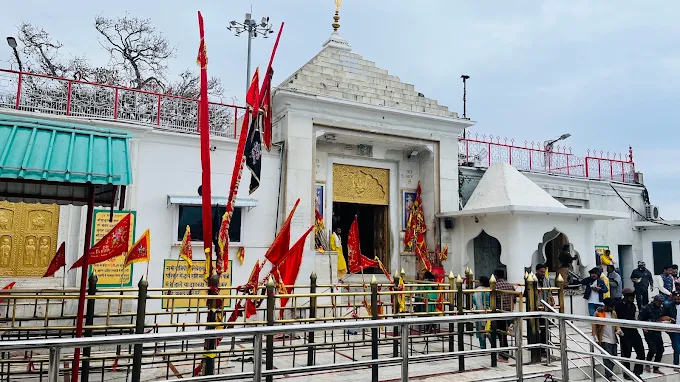
📍 231.44 km away
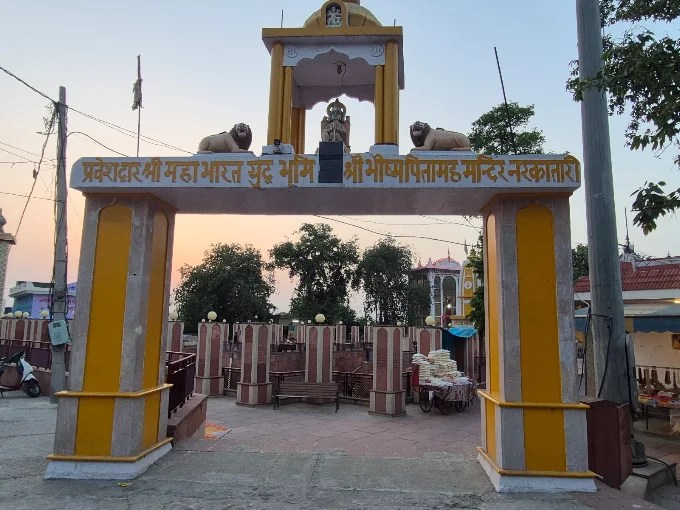
📍 231.48 km away
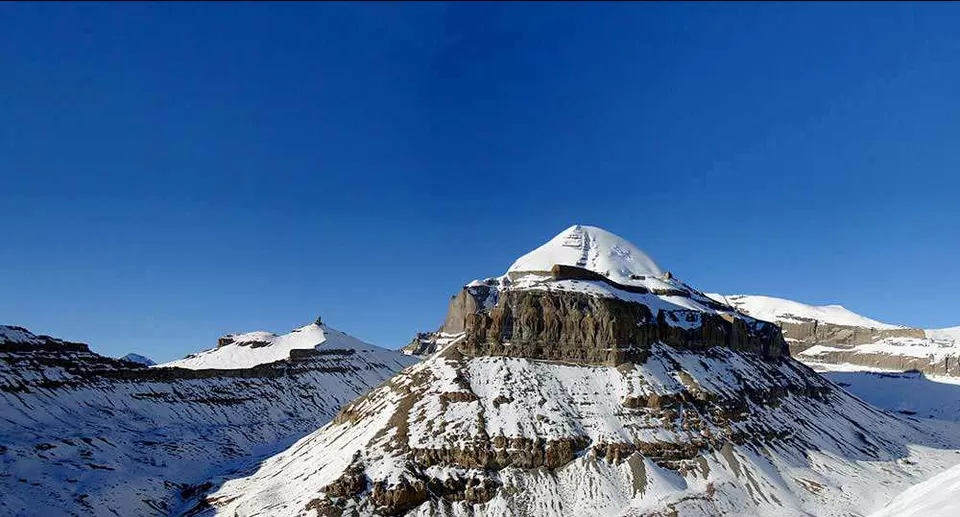
📍 246.10 km away
Stays near Gangotri Temple

📍 Near Kurinji Andavar Temple · 2,312.7 km
stayStarting from ₹2,000 / night
Discover more temples you may be interested in
You may also like these temples